Quick answer: do not run fuel-burning heaters, camp stoves, lanterns or charcoal inside a tent, especially while anyone sleeps. The U.S. Consumer Product Safety Commission (CPSC) warns that people die every year from carbon monoxide produced by these devices in tents, campers and vehicles. Keep candles and other open flames outside, too, because tent fabric can catch fire. Stay warm with a sleep system rated for the conditions (sleeping bag, insulated pad and dry layers), and use battery-powered lights inside the tent. If you want extra tent heat, an electric blanket or heater at a hookup site, used while awake, is the lower-risk option.
Cold nights make a heater sound like the obvious fix. A small propane unit on the tent floor or a candle lantern hanging from the ceiling loop feels cozy, and many products are marketed with tent camping in mind. The trouble is that a tent is a small, closed space made of thin fabric, and it is exactly the kind of place where carbon monoxide builds up and where a tipped flame spreads fast.
This guide covers the main hazards behind the tent door: carbon monoxide from fuel-burning gear, fire from candles and heaters, and the specific situations where an electric heater might be reasonable. It draws on guidance from the CPSC, the Centers for Disease Control and Prevention (CDC) and the National Fire Protection Association (NFPA). For the wider picture on weather, wildlife and emergencies, see our full camping safety guide.
Why a Tent Is a Risky Place for Flame and Fuel
Tents are designed to keep out wind, rain and bugs. Those same features hold gases in. With the rainfly zipped down and the doors closed against the cold, air exchange slows, which is why condensation collects on the walls overnight. Any exhaust released inside has nowhere quick to go.
Tent fabrics are another concern. Many tents sold in the United States are made with fabrics that meet CPAI-84, an industry flammability specification for camping tents published through the Industrial Fabrics Association International. Flame resistance means the fabric resists ignition and slows the spread of flame. It does not mean fireproof. Sustained flame from a heater, stove or candle can still burn through nylon or polyester, and melting synthetic fabric can drip onto sleeping bags and skin.
Space is the third issue. A two-person tent leaves very little room between a heater and the nearest sleeping bag, pillow or jacket. People shift in their sleep, kick out a foot or knock over a water bottle, and a heater that seemed safely placed at bedtime can end up pressed against bedding by 2 a.m.
Carbon Monoxide: The Hazard You Cannot Sense
Carbon monoxide (CO) is a gas produced whenever fuel burns. It has no color, smell or taste. Propane, butane, white gas, kerosene, charcoal and wood all produce it, and so does a vehicle engine. The CDC explains that breathing CO keeps the blood from carrying oxygen, which starves the brain and heart.
The CPSC lists the common symptoms as headache, dizziness, weakness, nausea, vomiting, sleepiness and confusion. Those signs are easy to mistake for a cold, the flu, altitude or simple tiredness after a long day outside, so the agency advises campers to see a doctor if anyone develops cold or flu-like symptoms on a trip. Sleeping people may never notice symptoms at all, which is why so many camping CO deaths happen overnight.
The CPSC also points out that the danger is greater at high altitudes, where the risk of carbon monoxide poisoning is increased. Mountain campgrounds are exactly where nights get cold enough to tempt people into bringing a heater inside, so the two risks tend to show up together.
Why "just crack the door" is not enough
Venting a tent helps with condensation, but it is not a safety plan for combustion. CPSC guidance for generators and other engines is clear that opening doors and windows does not make indoor use safe, and the same logic applies to a tent: an opening does not guarantee that exhaust leaves faster than it is produced, especially when the air is still. The agency’s direct advice for camping equipment is simple. Do not use portable heaters or lanterns while sleeping in enclosed areas such as tents, campers and vehicles.
Fuel-Burning Heaters, Stoves and Lanterns
Propane and butane heaters
Some portable propane heaters are sold as “indoor-safe” and include features such as a low-oxygen shutoff and a tip-over switch. Those features reduce some risks, but they do not remove carbon monoxide from the air, and they do not make a heater safe to run while people sleep in a small enclosed space. Read the manufacturer’s manual closely. Many manuals for portable heaters restrict use in tents or require ventilation and supervision. If a label and the CPSC’s general warning seem to conflict, follow the more cautious rule.
What the Mr. Buddy propane manual actually says
The Mr. Heater Portable Buddy, often called the Mr Buddy propane heater, is a good example of why the manual matters. Its operating manual lists tents, tent trailers, cabins and fishing huts among the recreational enclosures it can be used in, but only with a window or roof vent and a fresh-air opening of at least 9 square inches, and it says not to use other fuel-burning appliances inside. The same manual warns in capital letters never to operate the heater while sleeping, and notes that above 7,000 feet it may burn less brightly or shut off. That is narrower than “safe in tents.” It means awake, ventilated, supervised use, and the USDA Forest Service report cited below goes further, advising never to use unvented propane heaters inside a personal tent.
What ODS sensors and automatic shut-offs actually do
An oxygen depletion sensor (ODS) is the main safety feature on many “indoor” propane heaters. The CPSC explains how it works: a small pilot flame sits against a thermocouple, and when oxygen in the room falls below about 18 percent (normal air is about 20.9 percent), the flame lifts away, the thermocouple cools and the gas valve closes. Tip-over switches add a second automatic shut-off if the heater falls over.
These features help, but they have real limits in a tent:
- An ODS measures oxygen, not carbon monoxide. It is not a CO sensor. A 2022 USDA Forest Service report on heaters in enclosed spaces describes CPSC tests in which CO built up to levels above common workplace exposure limits without the ODS shutting the heater off.
- Because air holds less oxygen at higher elevations, ODS heaters have altitude limits listed in their manuals, which matters at mountain campgrounds.
- Automatic shut-offs do nothing about the fire risk of a hot heater face a few inches from a sleeping bag.
The same Forest Service report puts it bluntly for firefighters sleeping in the field: personnel should never use unvented propane heaters inside a personal tent. That is a sensible rule for recreational campers, too.
Choosing a camping heater for outdoor use
If you want a camping heater at all, think of it as a camp-chair heater, used outdoors or in a large, open shelter while everyone is awake. Look for a propane heater certified by a recognized testing laboratory, with an ODS and tip-over shut-off, a stable base and a hose and regulator in good condition. Read the altitude limit and the clearance distances in the manual, and keep the fuel cylinder outside any shelter.
Heaters that stay outside the tent
A different design keeps the flame and exhaust outdoors. The Zodi X-40 Hot Vent, for example, is a propane tent heater that sits outside the shelter: Zodi describes a sealed stainless-steel heat exchanger, a 12-volt fan and 4-foot air hoses that carry warm air into the tent, with up to 40,000 BTUs from a 5-gallon propane tank. Because combustion happens outside, carbon monoxide emissions are vented outdoors rather than into the tent. Outdoor placement still matters: keep the heater’s air intake away from its own exhaust and from vehicle exhaust, follow the clearance distances in the manual, and run a carbon monoxide sensor, meaning a battery CO alarm, inside the tent anyway. These units are large and expensive, so they are mostly used at hunting camps and group shelters.
Propane tanks and connections
Keep propane tanks outside the tent, upright and away from heat, whether you use a 1-pound cylinder or larger portable propane tanks. Check hoses and regulators for cracks before each camping trip, and test connections with soapy water as heater manuals describe, never with a flame. Close the cylinder valve when you are done, then let the heater cool before packing it.
Camp stoves
Cooking inside the tent on a rainy evening is a common temptation. A camp stove produces carbon monoxide and an open flame at the same time, often next to fabric and spilled fuel. The CPSC advises never using portable fuel-burning camping equipment inside a tent unless it is specifically designed for use in an enclosed space and comes with instructions for safe use there. Cook outdoors, under a tarp pitched high and open on the sides if it is raining, and keep the stove well away from tent walls and guylines.
Fuel lanterns
Liquid-fuel and propane lanterns burn hot and give off CO. Mantles glow at high temperatures, and the glass globes stay hot for some time after the lantern is shut off. Use them outdoors on a stable surface, and bring them into the tent only after they are off and fully cool, if at all. Our guide to camping lanterns, headlamps and battery options compares the fuel and battery choices in more detail.
Kerosene heaters
Kerosene heaters raise the same CO and fire hazards. The CPSC’s kerosene heater guidance stresses using only water-clear 1-K grade kerosene and never gasoline, which can cause a fire or explosion. None of that changes the basic rule: a fuel-burning heater does not belong inside a tent where people sleep.
Hot Tents: Canvas Tents, Wood-Burning Stoves and Stove Jacks
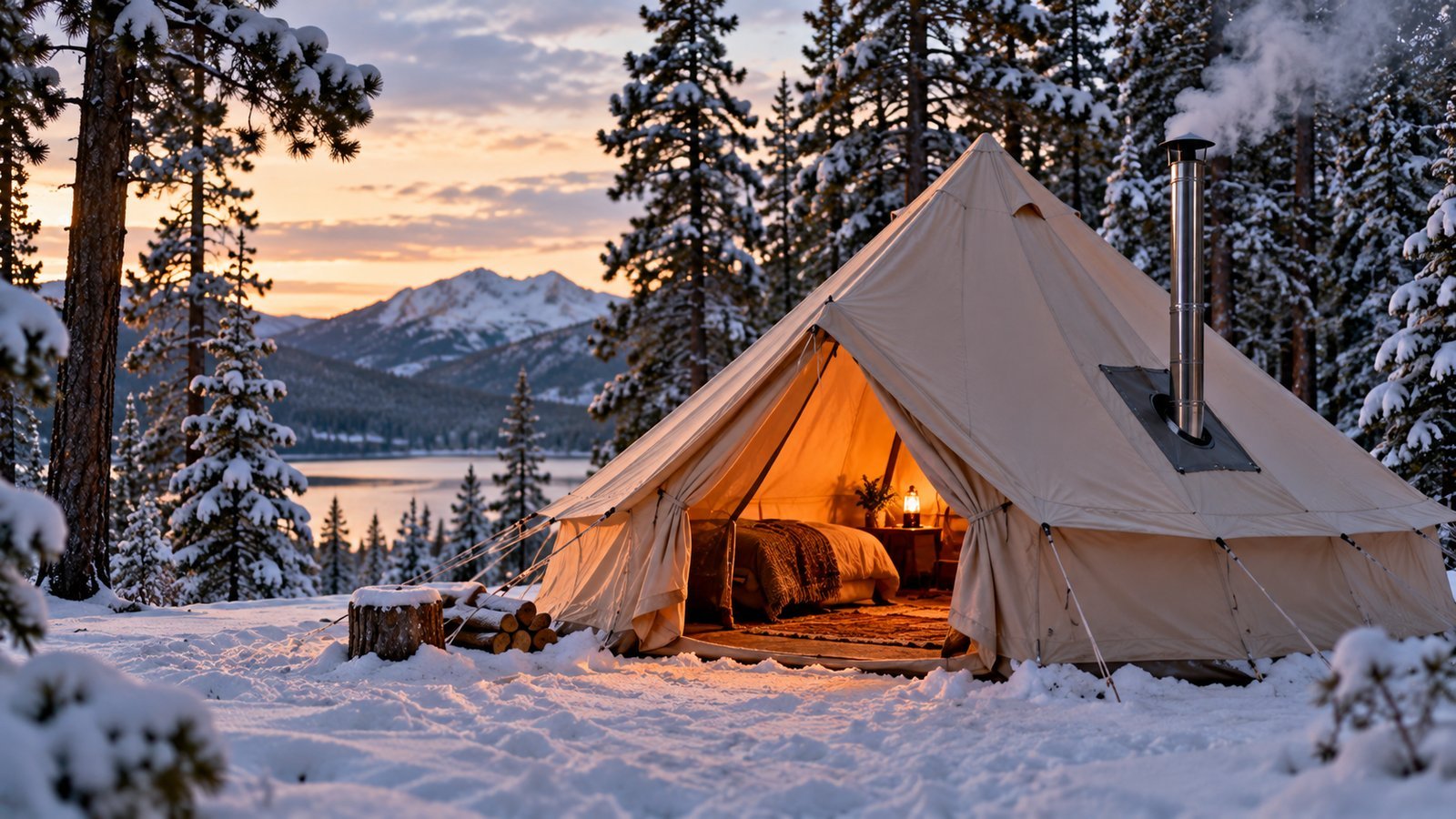
“Hot tent” camping uses a canvas or other heat-tolerant tent with a small wood-burning stove inside. The stovepipe exits through a stove jack, a fire-resistant ring or panel sewn into the roof or wall so the hot pipe does not touch the tent fabric. Canvas tents built for this, such as wall tents used at hunting camps, are a very different setup from a nylon backpacking tent, and no one should try to add a stove to a tent that was not designed for one.
Even a purpose-built setup carries the two hazards this article is about. The U.S. Environmental Protection Agency notes that when wood does not burn completely, the smoke contains carbon monoxide along with fine particles, and it advises keeping stove doors closed except when loading the fire. Sparks from the pipe can land on the roof, and a stove that is hot enough to warm a tent is hot enough to burn skin and gear.
If you camp in a hot tent, these habits follow from EPA and CPSC guidance:
- Use only a tent and stove sold for use together, with a stove jack and a spark arrestor on the pipe
- Follow the stove maker’s clearance distances to walls, cots and bedding
- Burn dry, seasoned wood, which produces less smoke than wet wood
- Run a battery-powered CO alarm inside the tent
- Let the fire burn down and stop feeding it before you fall asleep, rather than running the stove all night
- Keep a fire extinguisher or a bucket of water by the door
Wood stoves, wood heaters and the stove pipe
A wood heater in a canvas tent is only as safe as its stove pipe. The pipe sections should fit tightly, pass through the stove jack without touching fabric, and carry a spark arrestor at the top. Check the pipe for gaps or soot leaks each time you set up, and keep the area around the stove clear of gear, boots and drying clothes. Wood stoves made for tents are small, so they burn through fuel quickly and tempt people to stuff them full before bed; let the fire die down instead.
Charcoal and Campfire Embers
Charcoal is one of the most dangerous fuels to bring near a shelter because it keeps producing carbon monoxide long after the flames die down. The CPSC warns never to burn charcoal inside a home, garage, vehicle or tent. That includes a grill that “seems out” and is pulled into the vestibule to keep it from the rain, and it includes a bucket of hot coals carried in for warmth.
Campfires belong in established fire rings, at a safe distance from tents, overhanging branches and dry grass. Wind can carry sparks onto a rainfly, and synthetic fabric can melt or burn from a single ember. Drown the fire with water, stir the ashes and drown it again before going to bed. Our walkthrough on how to build, manage and put out a campfire covers fire-ring placement, local fire restrictions and the drown-stir-feel method.

Candles, Matches and Open Flames
Candles feel harmless, which is part of the problem. The NFPA’s home candle safety guidance points out that a candle is an open flame that can easily ignite anything that can burn, and it recommends keeping candles at least 12 inches from anything flammable and never leaving them unattended. Inside a tent, almost everything within 12 inches is flammable: walls, ceiling, sleeping bags, clothing and hair.
Candle lanterns with a glass chimney and a metal housing are sold for camping. They contain the flame better than a bare candle, but they still get hot, still consume oxygen and still produce a small amount of combustion gas. Hanging one from a tent ceiling puts a hot object a few inches from fabric. If you want the glow of a candle, enjoy it at the picnic table and blow it out before heading to bed.
A few habits help around any flame at camp:
- Light stoves, lanterns and candles outdoors only, on a stable, level surface
- Keep matches and lighters in a closed container and out of reach of children
- Store fuel canisters and bottles outside the tent, away from heat and direct sun
- Never refuel a stove or lantern while it is hot or near an open flame
- Keep a bucket of water or a shovel near the fire ring

Electric Heaters at Hookup Sites
Many developed campgrounds offer tent sites with electrical hookups. A portable electric heater does not produce carbon monoxide, which removes the biggest hazard, but it still carries fire and electrical risks in a small fabric space.
The CPSC’s guidance on portable electric heaters is a useful baseline. Keep anything that can burn, including bedding, clothing and paper, at least 3 feet away from the heater. Choose a heater certified by a recognized testing laboratory and look for an automatic tip-over shutoff. The CPSC also advises plugging heaters directly into a wall outlet rather than an extension cord or power strip, which is hard to do at a campsite where the outlet is on a post outside.
If a campground permits electric heaters and you decide to use one, these precautions follow from that guidance:
- Use only a heavy-duty, outdoor-rated cord sized for the heater’s wattage, as short as practical
- Keep the cord connection off the ground and out of puddles
- Set the heater on a hard, level, non-flammable base, not directly on the tent floor or a sleeping pad
- Keep the 3-foot clearance from walls and bedding, which rules out most small tents
- Turn the heater off before sleeping, and use it to warm the tent while you are awake
Running a heater from a portable power station
A portable power station can run small electric devices at a site without hookups, but heaters draw a lot of power. To estimate run time, divide the station’s capacity in watt-hours by the device’s wattage, then allow for some loss in the inverter. As simple arithmetic, a heater drawing 1,500 watts would empty a 1,000 watt-hour station in well under an hour. Low-wattage items such as an electric blanket or a heated pad are a far better match for battery power. Check the device’s label for its actual wattage before relying on it.
Check campground rules first. Some campgrounds ban space heaters in tents, and a few limit electrical loads at each site.
Active Heating vs Passive Warmth: Comparing Tent Heat Options
There are two ways to deal with cold in a tent. Active heating adds heat to the air with a heater or stove. Passive warmth keeps your own body heat from escaping through good insulation. Passive warmth carries almost no risk, which is why safety agencies lean on it so heavily.
| Option | Carbon monoxide? | Fire risk | Use while sleeping? |
|---|---|---|---|
| Propane or butane heater in a tent | Yes | High | No (CPSC) |
| Kerosene heater | Yes | High | No |
| Wood-burning stove in a hot tent | Yes | High | Only in a purpose-built setup, fire allowed to die down |
| Charcoal or embers | Yes, and long after flames die | High | Never |
| Electric heater at a hookup site | No | Moderate | No, turn it off before sleeping |
| Electric blanket or heated pad | No | Low to moderate | Follow the maker’s instructions; many say warm the bed, then switch off |
| Hot water bottle | No | Very low (scald risk) | Yes |
| Rated sleeping bag, pad and layers | No | None | Yes |
The table makes the main point: anything that burns fuel produces CO, and the safest heat in a tent at night comes from insulation, not flame.
How to Safely Heat a Tent: Dome Tents vs Canvas Tents
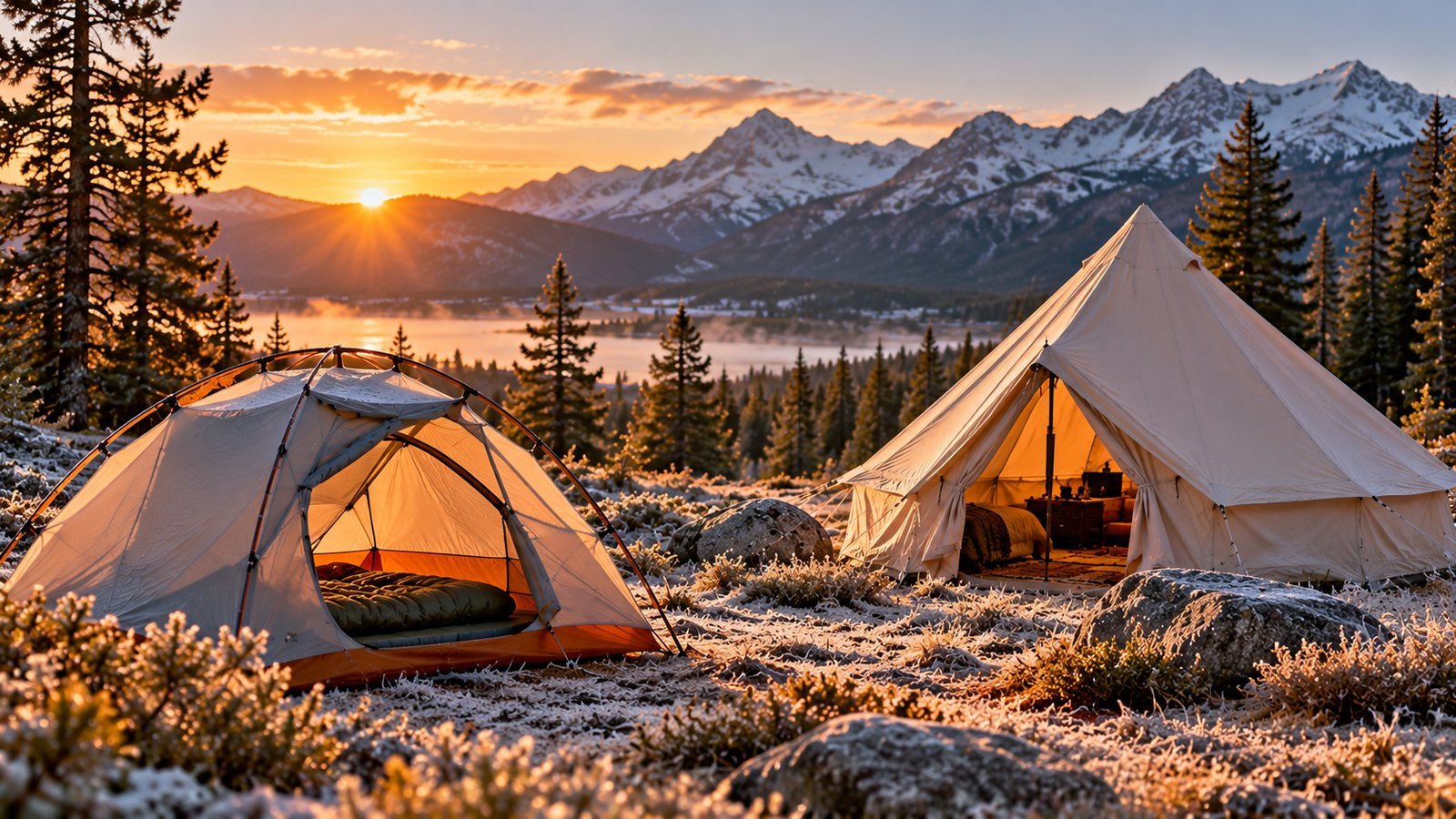
The tent you own decides which kinds of tent heat are even possible. Most camping tents sold today are dome tents made of nylon or polyester, with low ceilings, small volume and fabric that can melt. Canvas tents, including wall tents and many bell tents, are heavier and roomier, and some are built with a stove jack for active heating.
Dome tents
Dome tents are the most common shape for backpacking and car camping because they are light and quick to pitch. They are not designed for a stove, and the small air space means any fuel-burning tent heater fills them with exhaust quickly. In a dome tent, heat the sleeper, not the air: a rated sleeping bag, an insulated pad, dry layers and, at a hookup site, an electric blanket. If you use a camping heater at all, keep it outside the tent while you are awake.
Canvas tents
Canvas tents breathe better and tolerate heat better, which is why hot-tent camping uses them. Only a canvas tent sold with a stove jack and a matching stove should have a fire inside, and even then the CO alarm and fire-down-before-sleep rules above apply.
Roof top tents
Roof top tents sit on a vehicle rack, so they add one more CO source: the vehicle itself. Do not idle the engine to warm the car or charge batteries while people sleep above it, and keep generators well away from the tent and car.
A step-by-step way to safely heat a tent
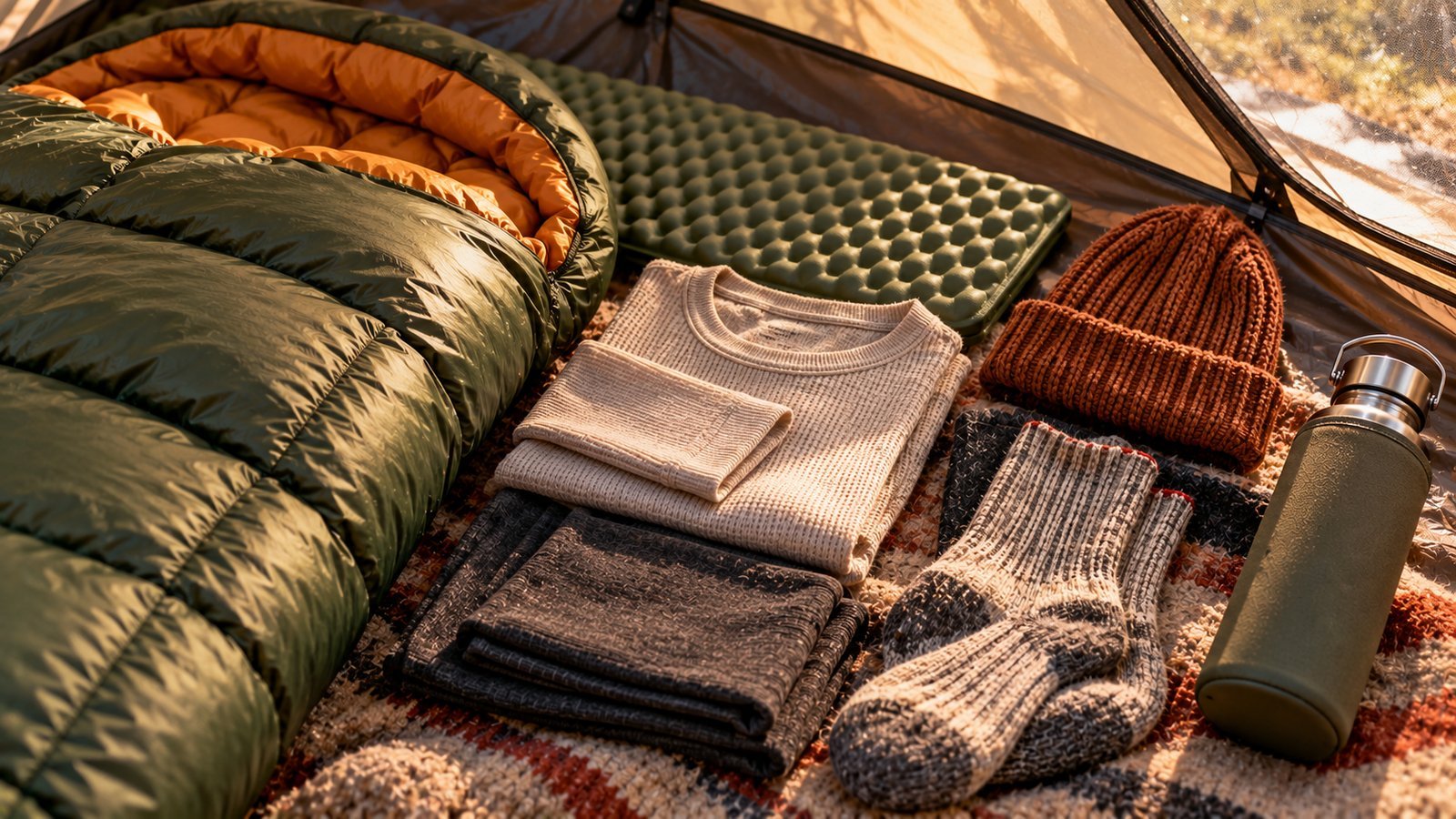
- Start with passive warmth: sleeping bag rated for the low, an insulated pad and a hat.
- Warm up before bed with a hot drink, a short walk and dry clothes.
- Pre-warm the bed with a hot water bottle or, at a hookup site, an electric blanket.
- If you use a heater, use it outdoors or only while awake in a ventilated shelter, with a battery CO alarm running.
- Turn off every flame and fuel heater before anyone falls asleep.
Safer Ways to Stay Warm Without a Heater
The safest heat source in a tent is the camper’s own body, held in by good insulation. A few changes make a bigger difference than any heater.
Start with the sleep system
A sleeping bag rated for a temperature at or below the expected low is the core of a warm night. The pad underneath matters just as much, because cold ground pulls heat away fast. Sleeping pads are rated by R-value; higher numbers insulate better, and stacking a foam pad under an inflatable one adds warmth. Our guide to choosing a sleeping bag and pad by temperature explains bag ratings and R-values.
Dress in dry layers
Change out of damp clothes before bed, since moisture from sweat or rain pulls heat from the body. A dry base layer, warm socks and a knit hat help, though stuffing the bag with too many layers can compress the insulation and make it less effective.
Electric blankets and heated pads
At a campsite with power, a 12-volt or plug-in electric blanket can take the chill off a bed without adding carbon monoxide. Fire departments give the same safety advice for camping as for home use. Fairfax County Fire and Rescue recommends a blanket approved by a nationally recognized testing laboratory, turning it off when not in use, and never bunching it up or piling heavy items on top while it is on, because trapped heat can build up. Keep electric blankets flat, do not tuck them under a pad or fold them over, check the cord and fabric for damage before each trip, and keep the connection dry. Many people warm the sleeping bag for a while, then switch the blanket off before falling asleep. An electric blanket with remote control or an auto-off timer makes that easy to do from inside the bag.
Layering warm clothes
Layering warm clothes works better than one heavy jacket. A wicking base layer, an insulating middle layer such as fleece or down, and a wind-resistant shell let you adjust as you warm up or cool off. Change into a dry base layer before bed, because damp clothing from the day pulls heat away all night.
Small habits that add warmth
- Eat a snack with some fat and protein before bed, and drink water through the evening
- Use the bathroom before settling in, since the body spends energy keeping extra fluid warm
- Fill a hard-sided water bottle with hot (not boiling) water, close it tightly and tuck it into a sock at your feet
- Pitch the tent out of the wind and away from low spots where cold air settles
- Choose a tent sized to the group, since a small tent warms more easily than a large one
Our guide on how to stay warm while camping in cold weather covers hypothermia warning signs and cold-weather site setup in more depth.
Winter Camping: Insulated Tents, Moisture Buildup and the Sleep System
Winter camping is where the pull toward a heater is strongest, so it helps to know what really keeps a tent livable in the cold.
What an insulated tent does
Four-season and insulated tent designs reduce drafts and hold a little more warmth, but no tent fabric generates heat. The air inside an unheated tent stays close to the outside temperature. Your sleep system does the real work, so put money into the bag and pads first.
Managing moisture buildup
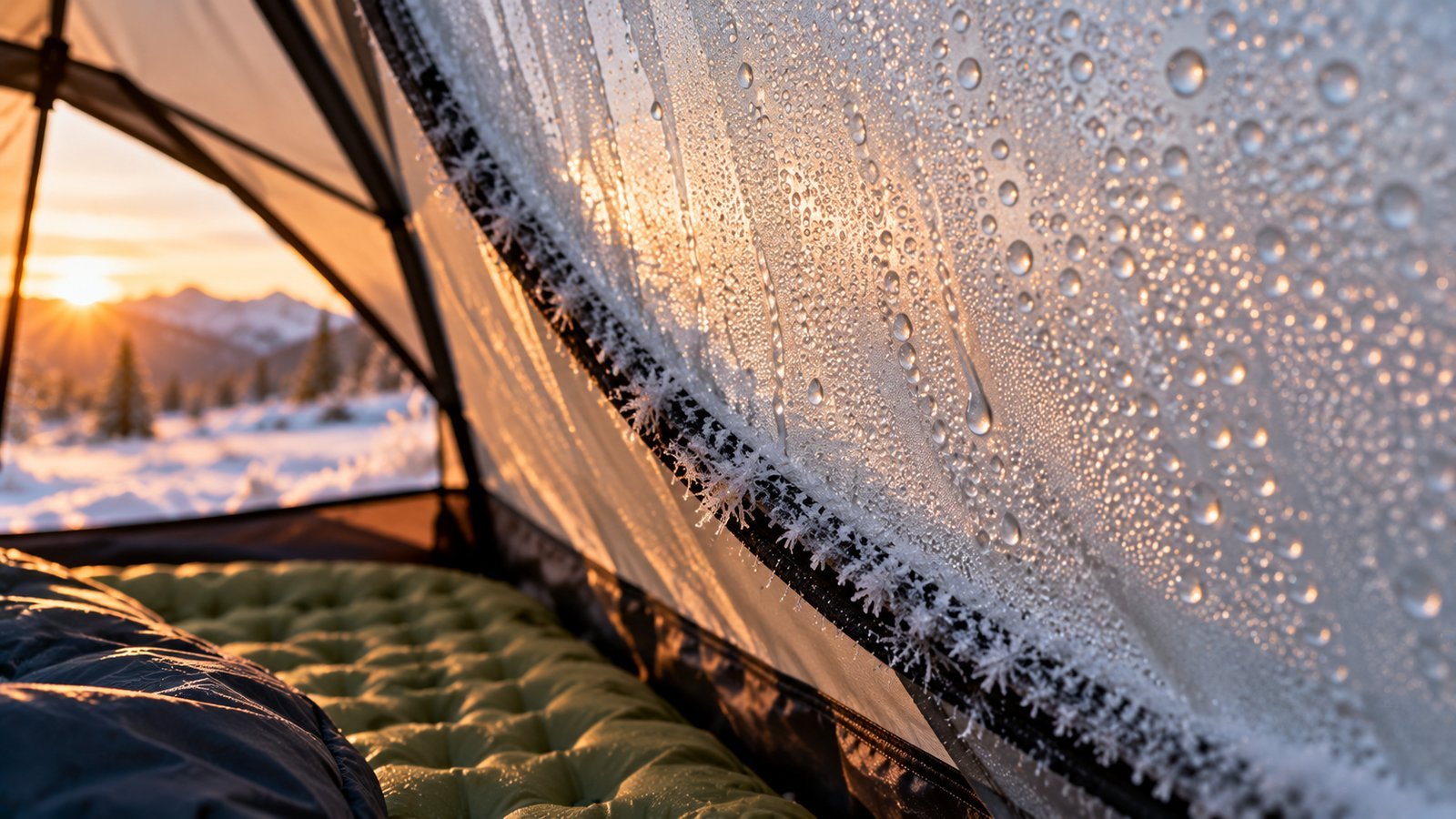
Each sleeper adds moisture to the air through breath and skin overnight. When that warm, damp air meets cold tent walls, it turns into condensation or frost. Sealing every vent to hold in warmth makes moisture buildup worse, and damp insulation is colder insulation. Keep the tent’s designed vents open, clear snow off them, and keep the sleeping bag away from frosty walls. Store wet boots and outer layers in the vestibule or a dry bag, and cook outside, since cooking adds both moisture and carbon monoxide.
Building a winter sleep system
- A sleeping bag rated at or below the expected low, with a liner for extra warmth if needed
- Two pads stacked, usually closed-cell foam under an inflatable pad, for a higher combined R-value
- Dry base layers, socks and a hat reserved only for sleeping
- A hot water bottle in a sock at your feet or core
- A warm drink and a snack before bed
Fall camping season vs winter camping season
The fall camping season catches many people off guard: warm afternoons turn into near-freezing nights, and campers who packed summer bags reach for a heater. That is when CO risk rises. In the winter camping season, people tend to plan for the cold and bring the right sleep system, while fall trips are more often under-equipped. Check the overnight low in the forecast for your campsite’s elevation before you pack, and bring the warmth you need rather than counting on a heater.
Safer Light Inside the Tent
Battery-powered light is the simplest way to remove flame from the tent entirely. A headlamp keeps hands free for zippers and gear, and a small LED lantern hung from the ceiling loop lights the whole space without heat. Rechargeable lights pair well with a power bank, and spare batteries stay stronger in cold weather when kept in an inside pocket or the sleeping bag.
Glow sticks are handy for marking tent doors and guylines, which also cuts down on trips and tumbles near the fire ring. For kids, a personal headlamp makes nighttime bathroom trips less scary and removes any reason to hand them a lighter.
Recognizing and Responding to CO Poisoning
Even campers who follow every rule can be exposed. Exhaust from a neighbor’s generator or a running vehicle can drift into a tent, and a stove used near the vestibule can push fumes inside. Knowing what to watch for matters.
Warning signs to take seriously, according to the CPSC and CDC:
- Headache, dizziness or weakness, especially in more than one person at once
- Nausea or vomiting
- Unusual sleepiness or confusion
- Symptoms that ease after time outside and return in the tent
If anyone shows these signs, get everyone out into fresh air right away, turn off any fuel-burning device if it is safe to do so, and call 911. Do not go back inside the tent to sleep. Pets are affected too, so bring them out with you. This is general safety information, not medical advice; a doctor or emergency responder should evaluate anyone who may have been exposed.
Battery CO alarms for camping
Small battery-operated carbon monoxide alarms are sold for travel and camping, and RVs are commonly equipped with CO alarms. An alarm is a backup, not a permit to run a heater inside. If you buy one, the Forest Service report recommends CO alarms listed to UL 2034, the standard for carbon monoxide alarms, and the CO sensor needs fresh batteries before each trip. The CPSC describes CO alarms as added protection that is no substitute for using fuel-burning equipment properly.
A Pre-Bedtime Tent Safety Check
Running through the same short list each night keeps the rules consistent for the whole group:
- Every stove, lantern and heater is off and outside the tent.
- The campfire is drowned, stirred and cold to the touch.
- Candles are out and stored.
- Fuel canisters are closed and stored away from the tent.
- Headlamps or battery lanterns are within reach.
- Sleeping bags, pads and dry layers are ready for the expected low.
- Vents on the tent are open to reduce condensation.
For families, a short walk through this list also teaches children how fire and fuel are handled at camp. More general wildlife, weather and CO basics are covered in our campsite safety basics.

Wet-Weather Field Guide: Heading out with rain in the forecast? Read our complete checklist of tips for camping in the rain to pitch your tent, tarp, and footprint without leaks.
Frequently Asked Questions
Can you use a propane heater in a tent?
The CPSC advises against using fuel-burning portable heaters while sleeping in enclosed areas such as tents, because of carbon monoxide. Even heaters labeled for indoor use do not remove CO, so keep them out of the tent at night and follow the manufacturer’s restrictions at all other times.
Is it safe to use a candle lantern in a tent?
It carries fire risk. Tent fabric can burn or melt, and the NFPA recommends keeping candles at least 12 inches from anything flammable, which is hard to manage inside a tent. Battery lanterns are the safer choice.
Can I use an electric heater in my tent?
Electric heaters do not produce carbon monoxide, but they still pose fire and shock risks. If the campground allows it, follow CPSC guidance: 3 feet of clearance from anything flammable, a certified heater with tip-over shutoff, and turn it off before sleeping.
What are the signs of carbon monoxide poisoning while camping?
The CPSC lists headache, dizziness, weakness, nausea, vomiting, sleepiness and confusion. Get everyone into fresh air and call 911 if you suspect CO.
Does cracking the tent door make a heater safe?
No. Ventilation helps with condensation but does not guarantee that exhaust leaves faster than it builds up. Keep fuel-burning devices outdoors.
Is it safe to cook in the tent vestibule?
The CPSC advises against using portable fuel-burning camping equipment inside a tent unless it is designed for that use with instructions for enclosed spaces. Cook in the open, away from tent walls, with a tarp overhead if it rains.
What is an ODS sensor on a propane heater?
An oxygen depletion sensor shuts off the gas when oxygen in the space drops below about 18 percent, according to the CPSC. It does not measure carbon monoxide, so it is not a substitute for keeping fuel-burning heaters out of a tent while you sleep.
Can I run a tent heater off a portable power station?
Most electric space heaters draw too much power for a portable power station to run for long. Divide the station’s watt-hours by the heater’s watts to estimate run time. Electric blankets and heated pads use far less power and are a better match.
Are hot tents with wood-burning stoves safe?
They are only as safe as the setup. Use a canvas tent and stove designed to work together, with a stove jack and spark arrestor, follow clearance distances, run a CO alarm and let the fire die down before sleeping. Wood smoke contains carbon monoxide, according to the EPA.
What is the safest way to heat a tent?
Avoid heating the air at all while sleeping. A warm sleep system, dry layers and a hot water bottle provide safe tent heat all night without carbon monoxide or flame.
Can I use a Mr. Buddy heater in a tent?
The manufacturer’s manual allows ventilated use in recreational enclosures, including tents, with at least 9 square inches of fresh-air opening, and says never to run it while sleeping. The USDA Forest Service advises never using unvented propane heaters inside a personal tent. If you use one, keep it to awake, supervised time with a CO alarm, and turn it off before sleep.
Which safety features should a tent heater have?
For any propane camping heater, look for an ODS, a tip-over shut-off, certification by a recognized testing laboratory and a clear altitude limit in the manual. None of these safety features measure carbon monoxide, so pair the heater with a battery CO alarm.
Sources: U.S. Consumer Product Safety Commission (Portable Heaters and Camping Equipment; Carbon Monoxide Questions and Answers; Kerosene Heaters safety alert; portable electric heater guidance); Centers for Disease Control and Prevention (Carbon Monoxide Poisoning Basics); National Fire Protection Association (candle safety); Industrial Fabrics Association International (CPAI-84 flammability specification for camping tents); USDA Forest Service National Technology and Development Program, Portable Heaters for Firefighters in Enclosed Spaces (January 2022); CPSC 1980 news release on oxygen depletion safety shut-off systems for unvented gas space heaters; U.S. Environmental Protection Agency, Burn Wise (wood-burning FAQs and best practices); Fairfax County Fire and Rescue Department, Electric Blanket Safety; Mr. Heater, Portable Buddy (MH9BX) Operating Instructions and Owner’s Manual (enclosure list, 9 sq in ventilation, never operate while sleeping, 7,000 ft note); Zodi, X-40 Hot Vent Tent Heater product page (zodi.com).