
Quick answer: pick a sleeping bag whose comfort rating, under the ISO 23537 standard where it is listed, is at or below the coldest night you expect, and treat the lower limit and extreme numbers as warnings rather than targets. Pair it with a sleeping pad whose R-value, measured under the ASTM F3340 standard, suits the ground temperature. Higher R-values insulate more, and two stacked pads add their R-values together. Down is lighter and more compressible; synthetic insulation copes better with damp.
Cold nights are the most common reason people give up on camping. Often the problem is not a cheap bag but a mismatch: a summer pad under a warm bag, a bag rated by its extreme number, or damp clothes worn to bed. Sleeping warm is mostly a matter of understanding a few numbers and a few habits.
A sleep system has two main parts. The bag traps warm air around your body, and the pad stops the ground from pulling heat out from underneath. Each one fails without the other, which is why they should be chosen together.
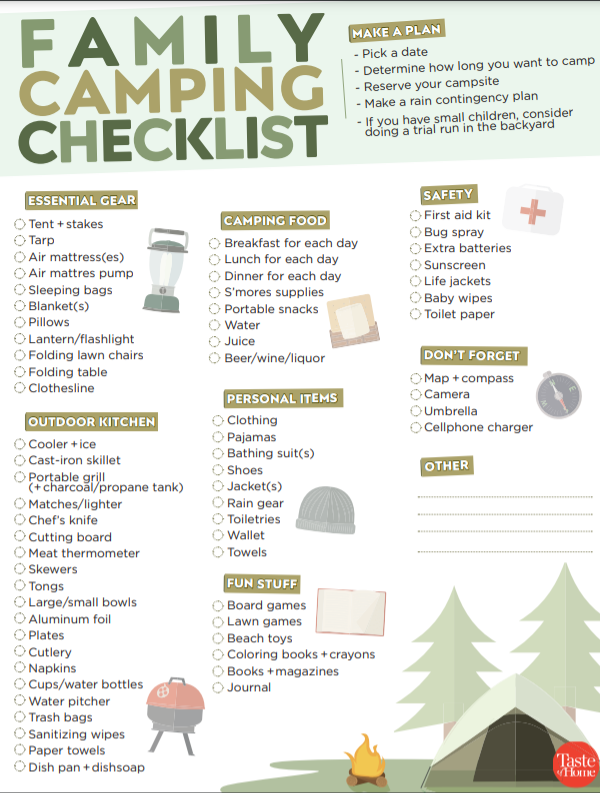
This guide is part of our camping gear and checklists guide, which covers tents, kitchen gear, clothing and packing for every kind of trip. For more on cold-weather camping, see our guide to staying warm while camping in cold weather.
How Sleeping Bag Temperature Ratings Work
Many sleeping bags sold today list temperature ratings from ISO 23537, an international test standard that replaced the older European standard EN 13537. Testing uses a heated mannequin in a climate chamber to measure how well a bag insulates, then converts the results into temperatures.
The Three Numbers
- Comfort: the temperature at which a standard adult woman, a typically colder sleeper in the model, is expected to sleep comfortably in a relaxed position.
- Lower limit: the temperature at which a standard adult man is expected to sleep for about eight hours in a curled position without waking from cold.
- Extreme: a survival rating, the temperature at which a standard adult woman could remain for about six hours with a risk of hypothermia. Frostbite is still possible at this temperature.
The comfort rating is the most useful number for most campers. Bags marketed with a single number, such as “20-degree bag,” often use the lower limit, so check the label for both figures.
Why Your Experience May Differ
Standardized tests make bags easier to compare, but they cannot predict every sleeper. Metabolism, body size, fatigue, food, hydration, clothing, wind, humidity and, above all, the pad underneath can shift how warm a bag feels by a wide margin. Cold sleepers should choose a bag rated by its comfort number or warmer. Warm sleepers may be fine near the lower limit.
Reading a Label Example
Suppose a bag lists a comfort rating of 40°F, a lower limit of 30°F and an extreme rating near 5°F. A cold sleeper should plan around 40°F, a warm sleeper might be fine near 30°F with a good pad and warm clothing, and nobody should plan a trip around the extreme figure. Ratings in Celsius work the same way, and many labels show both scales.
Bags Without ISO Ratings
Some bags, especially inexpensive and children’s bags, list temperature ratings that were not produced by a standardized test. Treat those numbers with caution and add a margin, or choose a bag tested to the standard if cold nights are likely.
Down vs Synthetic Insulation
Down
Down is the soft undercoat of ducks and geese. It is light, compresses small and lasts many years with care, which is why it dominates backpacking bags. Fill power, a number such as 650 or 850, measures how much space an ounce of down fills in a lab test; higher fill power means more loft for the same weight. The trade-off is moisture. Wet down clumps and loses most of its insulating value, so down bags need protection from rain, condensation and spilled water. Some down is treated to resist moisture, which helps but does not make it waterproof.
Many brands now use down certified under the Responsible Down Standard, run by the nonprofit Textile Exchange, which sets animal-welfare requirements for the birds that supply it.
Synthetic
Synthetic insulation is made from polyester fibers. It is heavier and bulkier than down for the same warmth, and it usually loses loft faster over years of compression. It keeps more of its warmth when damp, dries faster and costs less, which makes it a sensible choice for humid climates, canoe and kayak trips, children’s bags and budget car camping.
Which to Choose
For car camping, where weight barely matters, a synthetic or budget down bag works well. For backpacking, down’s weight savings usually win, provided you keep it dry. In persistently wet conditions, synthetic is the safer choice. Our guide to camping in the rain explains how to protect sleeping gear in storms.

Sleeping Bag Shapes and Features
Shapes
- Mummy: tapered toward the feet with a close-fitting hood. Mummy bags are the warmest for their weight because there is less air to heat, but they feel restrictive to some sleepers.
- Semi-rectangular: a compromise with more room for knees and shoulders.
- Rectangular: roomy and comfortable, easy to unzip into a blanket, but heavier and less efficient in cold weather.
- Double bags: sized for two people, popular with couples car camping.
- Quilts: backless designs that rely on the pad for insulation underneath, popular with ultralight backpackers.
Features That Affect Warmth
A hood traps heat around the head. A draft collar, an insulated tube around the neck, stops warm air escaping when you move. A draft tube behind the zipper blocks cold air seeping through the teeth. Baffles, the internal walls that hold insulation in place, keep down from shifting and leaving cold spots.
Fit
A bag that is too tight compresses insulation and feels cold; one that is too big leaves extra air to heat. Many brands sell bags in regular and long lengths, and some offer women’s models that are shorter with extra insulation in the footbox and torso. Check the length against your height plus a few inches of room.

Sleeping Pad R-Values Explained
R-value measures resistance to heat flow. On a sleeping pad, it shows how well the pad insulates you from the ground. Higher numbers mean more insulation.
The ASTM F3340 Standard
Before 2020, brands measured R-values in different ways, so numbers were hard to compare. The standard ASTM F3340, developed with input from major pad makers and adopted across much of the outdoor industry, created a common test method. When a pad lists an ASTM F3340 R-value, it can be compared fairly with other pads tested the same way.
Stacking Pads
Under ASTM F3340, R-values of stacked pads are additive. A closed-cell foam pad under an inflatable pad adds the foam’s R-value to the inflatable’s. Stacking is a common winter strategy and also protects an air pad from punctures.
Matching R-Value to the Season
Ground temperature, not air temperature, is what a pad fights. Cold, wet ground and snow pull heat away much faster than dry summer soil. As a rule of thumb, summer pads sit at the low end of the R-value range, three-season camping calls for moderate values, and winter camping on frozen ground or snow calls for the highest values, often reached by stacking. Many retailers publish season charts based on the standard, and the manufacturer’s own guidance for a pad is a good place to start.

Types of Sleeping Pads
Closed-Cell Foam
Foam pads are inexpensive, durable and impossible to puncture. They are bulky and less cushioned than inflatable pads, but they work as a reliable base layer in any season and double as a sit pad at camp.
Self-Inflating Pads
Self-inflating pads combine open-cell foam with an airtight shell. Opening the valve lets the foam expand and draw in air. They balance comfort, insulation and durability and are popular for car camping and shorter backpacking trips.
Air Pads
Air pads are the lightest and most compact. Insulated versions use reflective layers or synthetic fill inside to raise R-value. They need care to avoid punctures, and a patch kit belongs in every pack that carries one.
Camp Cots and Mattresses
Cots lift you off the ground, which helps on uneven or wet surfaces, but cold air circulates underneath, so a pad on top is still needed on cool nights. Air mattresses for car camping are comfortable but often have little insulation; adding a foam pad or wool blanket on top helps.

Choosing a System by Trip Type
Warm-Weather Car Camping
A rectangular synthetic bag or even a blanket may be enough on warm nights, with a basic pad for comfort. In humid regions such as Florida, a breathable bag liner or sheet sometimes works better than a bag at all.
Three-Season Trips
A bag with a comfort rating near the coldest expected night, plus a pad with a moderate R-value, covers most spring and fall trips. Mountain and desert sites can drop much colder at night than nearby towns, so check the forecast for the campsite’s elevation.
Cold-Weather and Winter Camping
A bag rated comfortably below the expected low, a high R-value system with stacked pads, a warm hat and dry sleeping clothes are all essential. Learn the warning signs of hypothermia, which the CDC lists as shivering, exhaustion, confusion, fumbling hands, memory loss, slurred speech and drowsiness, and treat them seriously.
Backpacking
Weight and packed size matter most, so down bags and insulated air pads are common. Choose the lightest system that still matches your coldest realistic night, and do not save weight by going a rating too thin.

Warm-Night Habits and Gear Care
Habits for a Warmer Night
- Change into dry clothes before bed. Damp clothes from the day pull heat away.
- Wear a warm hat and dry socks. Avoid cotton when the night is cold.
- Eat a snack and drink water before bed; a body that is fueled and hydrated stays warmer.
- Use the restroom before settling in, so you do not lie awake putting it off.
- Fluff the bag before getting in to restore loft.
- Close the hood and draft collar on cold nights.
- Fill a sturdy, leak-proof bottle with hot water and tuck it into the bag, checking the lid carefully.
- Never use a fuel-burning heater in a tent; the U.S. Consumer Product Safety Commission warns of deadly carbon monoxide buildup.
Caring for Bags and Pads
Store sleeping bags loose in a large breathable sack, not compressed in a stuff sack, so the insulation keeps its loft. Air out bags after every trip and dry them fully before storing. Wash only according to the manufacturer’s instructions, usually in a front-loading machine with a cleaner made for down or synthetic fill, then dry thoroughly. Store inflatable pads unrolled with the valve open when space allows. Our guide to cleaning and storing sleeping bags and tents explains each step.

Frequently Asked Questions
What temperature sleeping bag do I need?
Choose a bag whose comfort rating is at or below the coldest night you expect. Cold sleepers should add a margin.
What is the difference between comfort and limit ratings?
Comfort is where a standard colder sleeper should be comfortable relaxed; the lower limit is where a standard warmer sleeper can sleep curled up without waking cold.
What R-value sleeping pad do I need?
Higher R-values insulate more. Low values suit summer, moderate values three-season trips, and high or stacked values winter camping.
Can I stack two sleeping pads?
Yes. Under ASTM F3340 their R-values add together, and stacking a foam pad under an air pad is a common winter setup.
Is down or synthetic better?
Down is lighter and more compressible; synthetic handles damp better and costs less. Choose based on weight needs and how wet your trips get.
Why am I cold even in a warm sleeping bag?
The most common causes are a pad with too little insulation, damp clothing, or a bag rated by its limit or extreme number rather than its comfort number.

Leave a Reply