
Quick answer: most campsite problems come from four things you can control. Store food and scented items properly, keep fuel-burning devices outside the tent, get into a vehicle when thunder starts, and tell someone where you are going and when you plan to return.
Camping safety does not require fear or a mountain of gear. What it takes is a few habits that are practiced early and repeated until they feel ordinary. The hazards that appear in official guidance, from the National Park Service (NPS), the National Weather Service (NWS) and the Centers for Disease Control and Prevention (CDC), turn out to be fairly consistent: wildlife drawn by food, weather that changes fast, invisible gas from stoves and heaters, and ordinary injuries made worse by distance from help.
This guide groups those hazards into a routine you can follow on any trip. It does not replace local rules. Park rangers, campground hosts and posted signs know the conditions in their area, and their instructions take priority over anything written here. Recommendations also differ from park to park, a point the NPS makes about bear safety in particular.
Plan Before You Leave Home
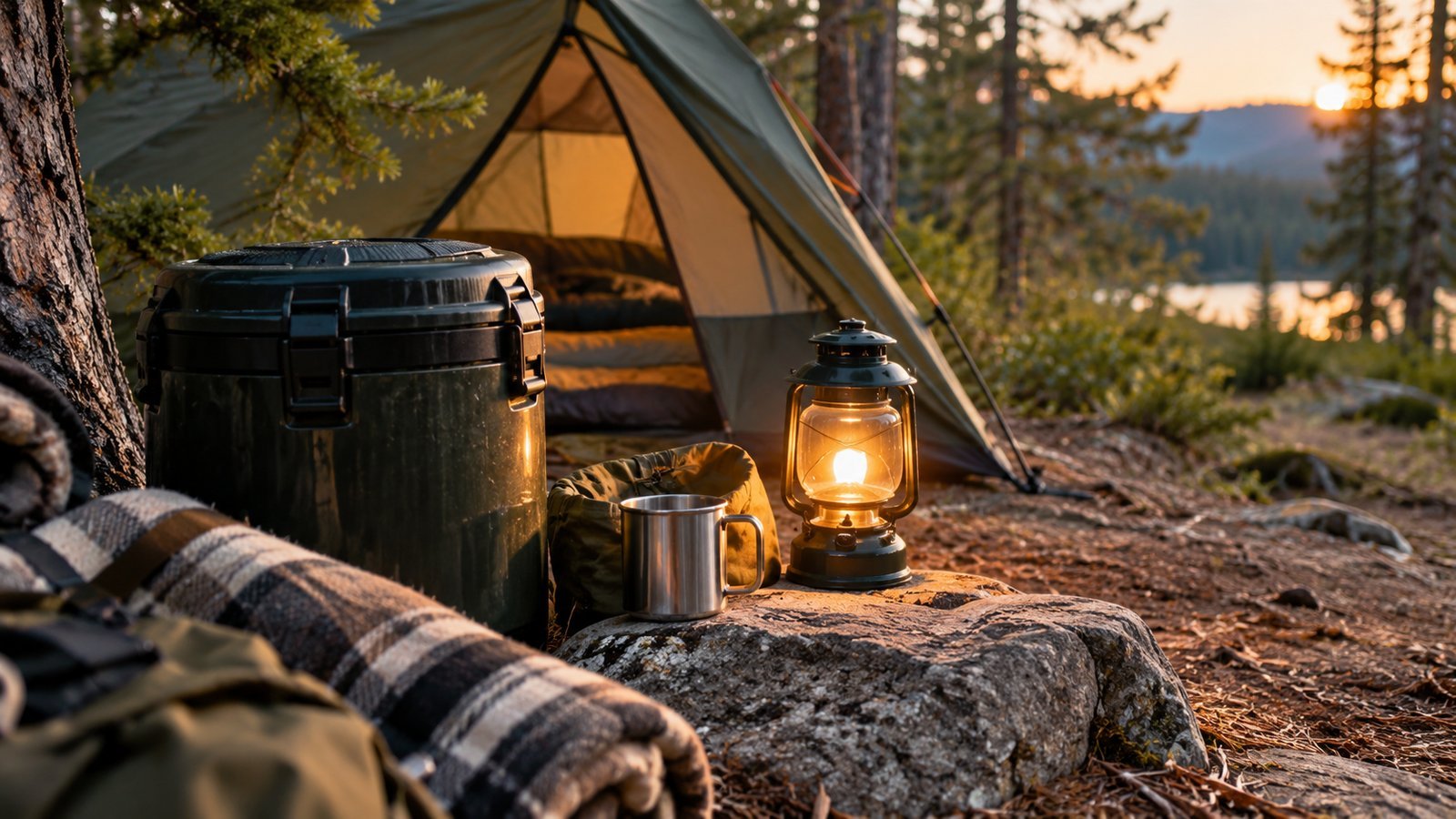
Safe camping begins with a plan that someone else knows about. Leave a written note or send a message to a trusted person with the name of the campground, your site number if you have one, the dates, the vehicles you are driving and when you expect to be back. The CDC recommends this step for winter outings such as hiking, camping or skiing, and it makes sense in every season, particularly in places with weak cell coverage.
Look up the area. Check the website of the park, forest or campground for alerts, closures, fire restrictions, wildlife notices and road conditions. Call the visitor center if anything is unclear. The NPS advises visitors to check with the nearest visitor center or backcountry office for current bear safety information whenever they arrive in a park, and local rangers can also say whether water sources are reliable and whether storms are common in the afternoons.
Pack a first aid kit that fits the trip and know how to use it. Add any personal medicines, a whistle for each child, a flashlight or headlamp for each person, spare batteries, and a way to charge a phone. Our family camping checklist and car camping checklist both include items that cover the basics. Taking a first aid or CPR class from a recognized provider is worth the time for anyone who camps regularly with a group.
Finally, walk the family through a simple plan for emergencies. Where is the meeting place if someone gets lost? What will each person do if the group is separated? Which vehicle is the shelter if a storm arrives? Short, calm conversations on the first night beat panicked guesses later.
Store Food and Scented Items the Right Way
Animals learn quickly where food lives. The NPS says that storing food and disposing of garbage properly can mean life or death to a bear, and that animals can become habituated to people if they are fed or if they get into your food. That can be dangerous for you and for the animals, which sometimes have to be removed or killed after repeated conflicts.
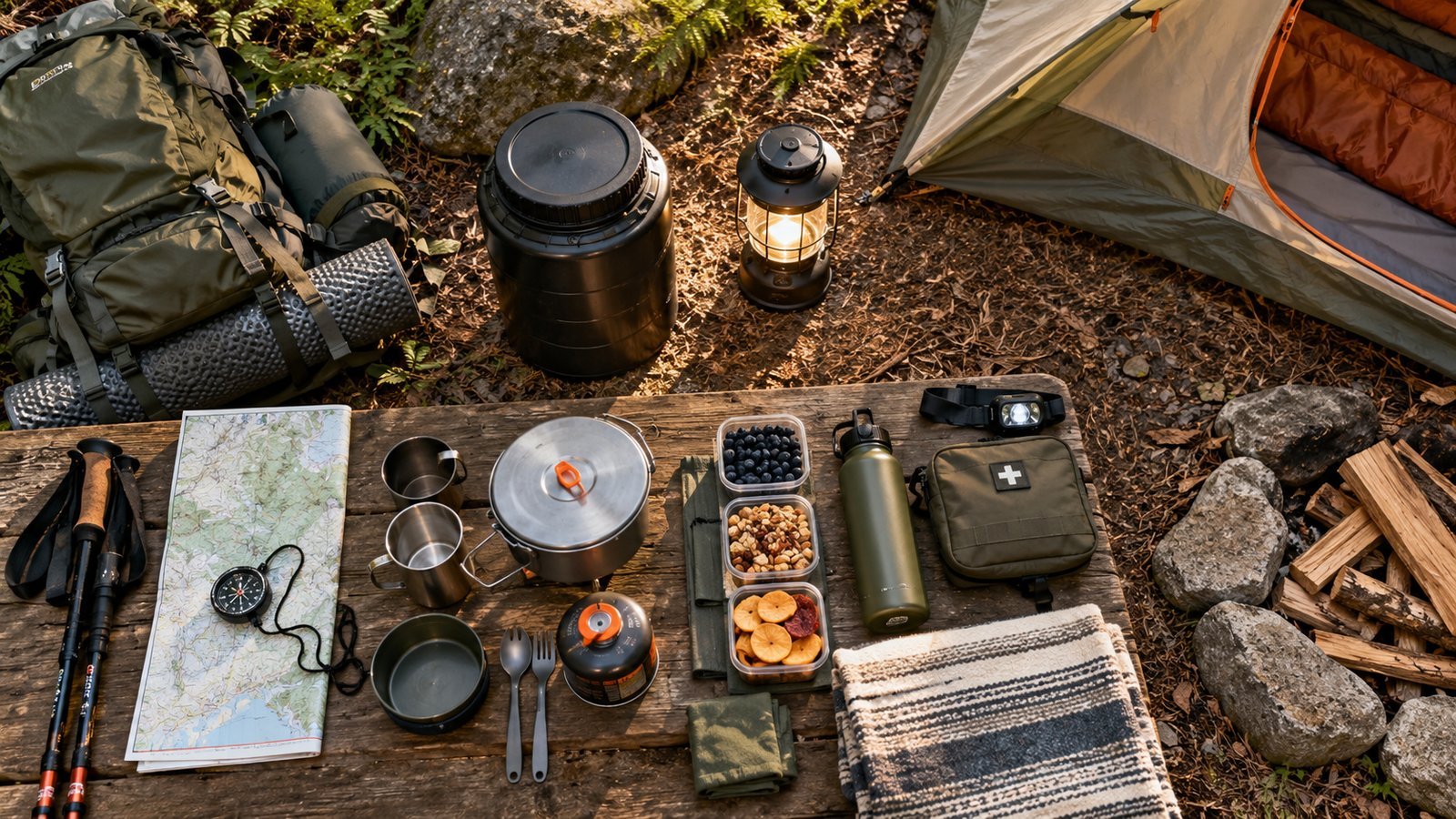
What counts as food in this context is broader than most people think. NPS guidance includes canned goods, bottles and drinks, soaps, cosmetics, toiletries, trash, ice chests, sunscreen, bug repellent, fuel and anything used to prepare or eat meals. Rocky Mountain National Park adds pet food and bowls to its list. Treat all of it as a possible attractant.
Rules differ by location. Some national parks provide food storage lockers at campsites, and some require them. Yosemite, for example, states that its food storage regulations have the force of federal law, with penalties that may include impoundment of food or a vehicle, a fine and removal from the campsite. Other parks allow food in a closed hard-sided vehicle during the day only, and many require bear-resistant canisters in the backcountry. Read the rules for your destination and follow them to the letter.
- Use the provided food locker or box whenever there is one, and keep it latched.
- Where vehicles are allowed for storage, keep windows closed and doors locked, and clear wrappers, crumbs and baby wipes first.
- Never store food in a tent, a pickup bed or strapped to the outside of a vehicle.
- Wash dishes promptly and store coolers, stoves and cookware the same way you store food.
- Pack out food scraps and trash in sealed containers or use the bins provided.
In the backcountry, the NPS advises cooking and preparing food in a spot away from your tent and away from water where possible, and storing food in bear-resistant containers or a properly hung bag depending on local rules. For bear country, the NPS camping guidance says food should be kept 100 yards from the tent. Also keep a clean camp. Check picnic tables, fire rings and the ground for anything that might attract animals before you go to sleep.
Know What to Do Around Wildlife and Bears
Most wildlife encounters at campgrounds are small: a raccoon at the cooler, a squirrel on the picnic table, a deer wandering past. Even so, wild animals should be given room and never fed. The Leave No Trace principle on respecting wildlife says to watch from a distance and never feed wild animals, and the same advice protects you from bites and scratches.
In areas with bears, learn the local guidance. The NPS says bears in national parks are wild and can be dangerous, but that most encounters end without injury and that most bears want to be left alone. The agency recommends staying calm, talking in a low voice so the bear knows you are a person, standing your ground, and slowly waving your arms. Hiking in groups also helps, the agency says, because groups are noisier and bears often notice them from a greater distance.
Several points deserve emphasis. Do not run, because bears can run as fast as a racehorse and will chase fleeing animals. Do not climb a tree, because black and grizzly bears can climb. Never let the bear get your food, and leave it an escape route. Pick up small children right away and avoid screaming or sudden movement. Be especially careful around a female with cubs and never come between them.
Attack guidance differs by species and situation, and the NPS notes that no single strategy works in every case. Its advice for grizzly or brown bear attacks differs from its advice for black bear attacks, and an attack in a tent or after stalking calls for fighting back. If you are camping in bear country, read the details on the NPS bears page and the specific park page before you go, and ask a ranger about bear spray, which the NPS says should be an EPA-approved product made for bears and must be allowed in the park you visit.
Keep Carbon Monoxide Out of Your Camp
Carbon monoxide (CO) is an odorless gas produced when fuel burns. It can build up quickly in tents, campers, vehicles and other enclosed or partly enclosed spaces. The CDC and the Consumer Product Safety Commission both say that portable generators, camp stoves, grills, heaters, lanterns and charcoal should never be used inside or close to tents, RVs, campers, vehicles or garages.
The warning is not theoretical. A CDC report examined fatal poisonings associated with camping, including cases in which fuel-burning stoves or grills were used in tents. Opening a flap does not make a tent safe. Cold nights make the temptation stronger, which is why many incidents happen when campers try to warm a shelter or cook out of the rain.
Practical habits keep you out of trouble. Cook outside under a tarp or at the picnic table. Run generators outdoors, at least 20 feet from windows, doors, vents, tents and RVs, and point the exhaust away from sleeping areas. Do not warm a tent with a stove, and do not bring a still-hot charcoal grill inside to keep warm. Carry a battery-operated carbon monoxide alarm if you use a camper or RV, and test it before each trip. Symptoms such as headache, dizziness, weakness, nausea and confusion call for fresh air and emergency medical care.

Respect the Weather
Weather is the hazard campers underestimate most. The NWS says there is no safe place outside when thunderstorms are in the area, and that if you hear thunder you are likely within striking distance. At a campsite, that means getting into a substantial building or a hard-topped metal vehicle with the windows up. Tents, picnic shelters, sheds and covered porches do not protect you. Wait 30 minutes after the last thunder before going back.
Know where your safe shelter is before the sky darkens. If the forecast calls for storms, think about scaling back activities, as the NWS suggests, and keep your vehicle accessible. The agency notes that, if you absolutely cannot reach safety, you can only slightly reduce risk and should not consider yourself safe outdoors. Planning ahead is the real protection.
Heavy rain adds flood risk. Ready.gov states that six inches of fast-moving water can knock you down and a foot can sweep a vehicle away. Choose a campsite that is not in a dry creek bed or a low spot, and leave early when water rises. Our guide to camping in the rain shows how to pick a pitch and what to do when the weather turns.
Cold and wet conditions can lead to hypothermia, which the CDC says can happen above 40°F if you are chilled from rain, sweat or cold water. Heat can cause problems at the other end of the scale. Carry plenty of drinking water, take shade breaks, and watch children and older adults closely. Weather alerts from a phone or a NOAA Weather Radio are worth carrying into every camp.
Keep Fire, Kids and Everyday Hazards Under Control
Campfires cause burns and wildfires. Use designated rings, keep the fire small, never leave it unattended and put it out with the drown, stir, drown, feel method taught by Smokey Bear. Our article on campfire safety covers each step. Keep children and pets back from the flames and make the rule clear before the fire is lit.
Kids need boundaries that are easy to understand. Point out the edges of the campsite, show them the restroom and the host’s site, and teach them to stop moving and stay put if they become lost. A whistle on a lanyard is simple and effective. Younger children can practice at home with a night in the backyard, and our post on backyard camping with kids has ideas for a gentle rehearsal.
Everyday injuries cause plenty of trouble too. Trip hazards such as tent stakes, guy lines and tree roots catch people in the dark, so keep headlamps handy and mark lines with bright cord or flagging. Sharp tools such as hatchets and knives require care and supervision, and they belong in a safe place when not in use. Set up the kitchen away from foot traffic, keep hot pots off the edge of the table, and sweep the area around your tent for sharp debris.
Pay attention to your own condition. Fatigue, dehydration, hunger and poor sleep all weaken judgment. If someone seems confused, unusually drowsy or very unwell, treat it seriously. This article is general information, not medical advice, and anyone with a serious concern should contact emergency services.

Build a Simple Safety Routine
Turn all of this into a short routine that runs on autopilot. When you arrive, check the site for hazards such as dead branches, uneven ground and ant mounds, then set up with a plan for weather. Before you cook, think about where the food will go afterward. Before bed, store everything scented, check the fire is cold, and place flashlights where each person can reach them.
In the morning, check the forecast again, review the plan and note anything that changed. When you leave, collect trash, make sure the fire is out, and make a quick sweep for gear. The routine takes only a few minutes and lowers the chance of the kind of small mistake that becomes a big problem.
Revisit the routine after each trip. Which step did people skip? Which part felt unnecessary? Adjust and write it down, so that first aid kits, storage habits and weather checks are not left to memory.
Frequently Asked Questions
What should I do if an animal gets into my food?
Do not chase it or try to take the food back from a bear. Keep your distance, make yourself known by talking calmly, and report the incident to a ranger or camp host. Then review how the food was stored so it does not happen again.
Is it safe to keep food in my car?
Rules differ. Some national parks allow food in a closed vehicle during daylight only, while others require food lockers. Check the regulations for your destination and clear wrappers and crumbs from the cabin.
Can I use a camping heater in my tent?
The CDC and the Consumer Product Safety Commission advise against using fuel-burning heaters, stoves, lanterns and grills inside or close to tents and campers because of carbon monoxide. Choose warmer clothing and bedding instead.
Where should I go when a thunderstorm approaches?
The National Weather Service says to go to a substantial building or a hard-topped metal vehicle with the windows up. Tents and picnic shelters offer no protection from lightning.
Should I carry bear spray?
Check local guidance. The NPS says bear spray can be useful in the backcountry if it is an EPA-approved product made for bears, and that you should confirm it is allowed where you plan to visit.


Leave a Reply