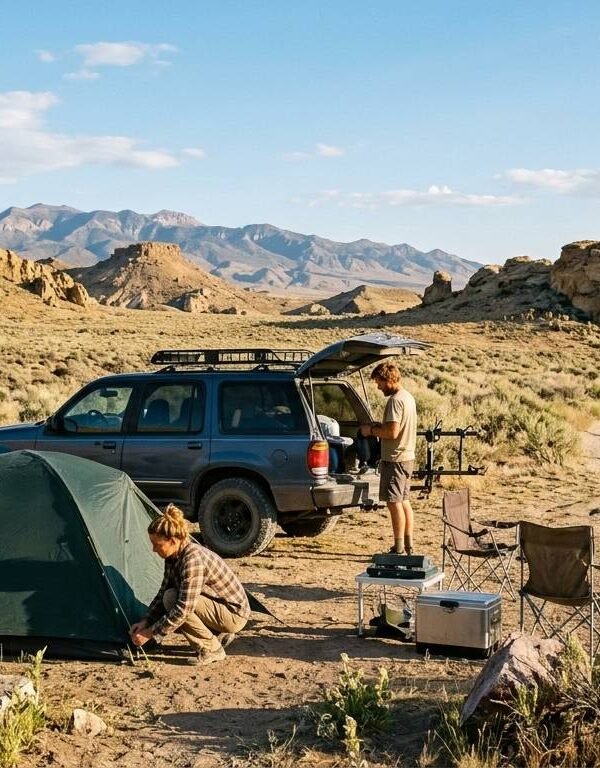
Quick answer: for mild winter nights with little snow, a sturdy three-season tent can work, but for real snow, wind and cold, a four-season tent is built with stronger poles, less mesh and a design that sheds snow. Hot tents are floorless shelters used with a small wood stove, and they bring serious fire and carbon monoxide risks that need careful handling. Whatever you choose, look for good ventilation to limit condensation, a vestibule for gear, strong anchors suited to snow and a pitch that sheds wind. Match the tent to the worst conditions you expect, not the best.
A tent is more than a roof in winter. It is a windbreak, a snow shed and the place where your body heat and breath will collect as moisture. A tent that is perfect for July can be uncomfortable in January and sometimes unsafe, because wind, snow weight and condensation put different demands on a shelter. This guide is part of our winter camping guide for beginners. It compares the main tent types and explains what to look for before you buy or borrow one.
Sources: manufacturer guidance on tent construction and snow performance from major outdoor brands; U.S. National Park Service winter camping and safety pages; Centers for Disease Control and Prevention (CDC) information on carbon monoxide poisoning; Leave No Trace winter travel principles; REI and other outdoor retailer buying guides. Specifications vary between models, so always read the manufacturer’s information and the product’s rated conditions.
What Winter Asks of a Tent
Winter conditions place several demands on a shelter at once.
- Wind: open, snowy terrain can bring strong gusts that test poles and stakes.
- Snow load: heavy snow can accumulate on the roof overnight and bend poles or collapse a weak design.
- Cold: low temperatures make materials stiff and make zippers and clips harder to use with gloves.
- Condensation: warm breath meets cold fabric and turns into frost or droplets inside the tent.
- Limited daylight: setup in the dark is common, so a design that pitches quickly matters.
- Storage needs: boots, packs and wet gear need space that does not push into your sleeping area.
Keep these in mind as you read through the options.

Three-Season Tents in Winter
Three-season tents are designed for spring, summer and fall. They are lighter and better ventilated, with plenty of mesh to keep out bugs and let air circulate. Many people already own one, and it can serve for a first mild winter trip.
When a three-season tent can work
- Temperatures are cold but above or near freezing.
- Snow is not forecast, or only a light dusting is expected.
- Winds are low to moderate, and the site is sheltered.
- The trip is short, such as one night at a campground.
Limits to watch
- Mesh panels: they let in spindrift (blowing snow) and cold air and may not close completely.
- Pole strength: lightweight poles may bend or break under snow load.
- Roof shape: a pitched roof can shed snow only if it is steep enough, and many three-season tents have large flat or mesh areas.
- Rainfly coverage: some flies stop well above the ground, which leaves a draft and lets snow blow beneath them.
If you do use a three-season tent in winter, brush snow off the roof during the night, pitch in a protected spot and carry a plan to leave if conditions worsen.

Four-Season Tents
Four-season tents, sometimes called winter or mountaineering tents, are built for harsh conditions. They are usually the safest choice for camping on snow or in strong wind.
Common features
- Stronger poles: more poles, crossing patterns and thicker diameters spread the load and resist bending.
- Less mesh: solid fabric panels block wind and spindrift, usually with adjustable vents for airflow.
- Rainfly or fabric that reaches the ground: this cuts drafts, and some designs include snow flaps or skirts that you can weigh down with snow.
- Steeper walls: they shed snow better than flat roofs.
- Guy-out points: many attachment loops allow you to brace the tent against wind.
- Large vestibules: they offer space to store boots and cook in bad weather, with caution.
Drawbacks
- Weight and packed size: heavier and bulkier than summer tents, which is a bigger problem for carrying but not for car camping.
- Price: often higher than three-season models.
- Warmth in summer: poor ventilation makes them stuffy in warm weather.
There is no universal standard for “four-season,” so a label is not a guarantee. Look at the pole structure, fabric coverage and the manufacturer’s stated use before buying.

Hot Tents
A hot tent is a shelter designed to be used with a small wood-burning stove inside. Many are floorless, shaped like a tipi or a cabin tent, and made from fabric that can handle heat, such as certain cotton blends or treated synthetics. The tent has a stove jack, a fire-resistant opening for the stovepipe to exit.
Why people choose them
- Warmth: a stove can keep the inside much warmer than outside temperatures and can dry gloves, socks and wet clothing.
- Space: hot tents are often large enough to stand and move around in.
- Comfort: cooking and relaxing inside is easier.
Serious risks
Hot tents are not for beginners without training. The hazards include:
- Carbon monoxide (CO): wood stoves produce this odorless, invisible gas. The CDC warns that CO can build up in enclosed spaces and cause poisoning and death. Never sleep in a tent with a burning stove, and use a battery-powered CO alarm designed for camping.
- Fire: sparks can burn tent fabric, sleeping bags and clothing. Fire-resistant materials, spark arrestors, proper clearance and a stove with a safe design are essential.
- Unattended stoves: never leave a stove burning while you sleep or leave the tent.
- Poor draft and smoke: a stove that does not draw well fills the tent with smoke.
- Hot surfaces: burns are a risk when you cook or move around.
Many experienced users keep stoves out of sleeping times, let the fire die before bed and rely on sleeping bags and pads for sleep warmth. Our guide to campsite safety basics including carbon monoxide explains the warning signs and rules in more detail. If you are interested in hot tent camping, take a class, read the manufacturer’s instructions closely and practice in a safe backyard setup before traveling.

Single-Wall Versus Double-Wall Tents
- Double-wall tents: have an inner tent and a separate rainfly. The gap between them helps moisture escape, which reduces condensation. They are easier to ventilate and more forgiving for most campers.
- Single-wall tents: use one layer of waterproof, breathable fabric. They are lighter and quicker to pitch, but they tend to collect more condensation and need careful ventilation. They suit experienced winter campers.
For most beginners, a double-wall four-season tent is a sensible choice.

Size and Capacity
In winter, extra space matters more than in summer. Gear stays inside, you spend longer hours in the tent because of early darkness, and you may be wearing bulky clothes. A common suggestion is to choose a tent rated for one more person than you will have, for example a three-person tent for two people. Extra room also reduces contact between sleeping bags and cold, damp walls.

Ventilation and Condensation
Warm breath contains moisture. In cold weather, it turns into frost on the inside of the tent and can drop onto sleeping bags. Over a night, a sleeping person can add a surprising amount of moisture to the air.
- Open vents even when it is cold. Airflow reduces condensation and prevents stuffiness.
- Keep wet items out of the tent or in the vestibule.
- Do not cook inside the tent unless the tent is designed for it and you have good ventilation, and avoid it altogether when possible because of fire and carbon monoxide risk.
- Brush frost off the walls in the morning before packing.
- Dry the tent at home as soon as you can. Our guide on camping gear care explains how.

Anchoring a Tent in Snow
Standard stakes do not hold well in snow. Better options include:
- Snow stakes or wide snow anchors: designed to grip in loose snow.
- Deadman anchors: bury a stick, stuff sack filled with snow or a stake horizontally and pack snow over it, with the line attached to the middle.
- Skis or poles: can anchor guy lines when buried or planted.
- Trees and rocks: can serve as anchor points where available.
- Snow flaps: shovel or stomp snow onto the fabric skirt to seal drafts.
Pack down the tent site first by walking over it in snowshoes or boots, then wait 20 to 30 minutes so the snow sets. A flat, packed platform is more comfortable and keeps you from melting a pit under your body heat.

Choosing and Pitching the Site
Pick a spot that is sheltered from wind, such as behind a rise or a stand of trees, but away from dead limbs and avalanche terrain. Our guide to winter camping for beginners covers site choice in more detail. Pitch the tent with its door facing away from the wind and use guy lines on every point. Dig out a small cooking and gear area in the vestibule if conditions permit.

Tent Features That Matter in Cold
- Pole sleeves versus clips: sleeves are stronger against wind but harder to set up.
- Large zipper pulls: easy to grip with gloves.
- Interior pockets and loops: keep small items organized and dry.
- Reflective guy lines: help you find the tent at night.
- Footprint or ground cloth: protects the floor from sharp ice.
- Gear loft: a place to dry gloves and hats.
- Vestibule size: needs to hold boots, packs and a stove if you cook there, with ventilation.

Budget Options
A winter tent is a significant purchase, so consider these ways to save.
- Borrow or rent: outdoor stores and some clubs rent four-season tents, which is useful before you commit.
- Buy used: check seams, zippers, coatings, poles and fabric for wear. Our guide on buying used camping gear lists what to inspect.
- Start with a campground: a cabin or heated shelter can be a safer first winter experience.
- Follow our budget tips: our guide to winter camping on a budget has more suggestions.

Care After the Trip
- Shake off snow and ice before packing.
- Dry the tent fully at home, which prevents mildew.
- Check for damage to poles, fabric and zippers.
- Store the tent loosely in a cool, dry place rather than compressed in its stuff sack.
- Replace worn stakes and guy lines.

Practice Before You Go
A cold, dark campsite is a bad place to learn how a tent goes together. Pitch the tent at home, in the yard or in a park, and time the process. Practice with gloves on so you know which zippers, buckles and pole ends are hard to handle with numb fingers. Learn how to attach the rainfly in the right order, how to tension each guy line and how to adjust the vents from inside. Count the stakes and anchors, and check poles for cracks. Pack the tent so that it comes out in the order you need it, with the footprint on top and the poles accessible.

A Short Pre-Trip Check
- Seam tape and coatings look intact, with no peeling or sticky spots.
- Zippers run smoothly and the pull tabs are not broken.
- Poles are straight, with no cracks or burrs at the joints.
- Spare pole sleeve, repair tape and extra cord are in the repair kit.
- Snow stakes or anchors are packed and counted.
- Everyone knows where the tent is, how to open it and where the exits are in the dark.
- A small broom or brush is packed for snow removal.

Quick Decision Guide
- Mild, low-snow campground trip: a sturdy three-season tent may do.
- Snow, wind or exposed sites: choose a four-season tent.
- Base camp with a group and training: a hot tent might be an option.
- First time: borrow a four-season tent and choose a short, low-risk trip.

Frequently Asked Questions
Can I use a three-season tent for winter camping?
Yes, in mild conditions with little snow and low wind. In heavy snow or strong wind, a four-season tent is safer.
What is a hot tent?
A hot tent is a shelter with a stove jack that is used with a small wood stove. It brings warmth but also fire and carbon monoxide risks, so it requires training and safety equipment.
How do I reduce condensation in a winter tent?
Open vents, keep wet gear out of the sleeping area, avoid cooking inside and brush off frost in the morning. Double-wall tents handle moisture better than single-wall designs.
How do I stake a tent in snow?
Use snow stakes or deadman anchors, pack down the site first and let the snow set before pitching. Regular stakes do not hold in loose snow.
How many people should a winter tent sleep?
Choose a tent rated for one more person than you will have. The extra space helps with gear and with condensation.