Quick answer: RV boondocking means camping with no hookups, usually on public land, so your rig’s batteries, fresh water tank, holding tanks and propane are all you have. To start, arrive with a full fresh tank, empty holding tanks, full propane and charged batteries; set a simple daily power budget; cut water use with short showers and dishpans; run a generator only during allowed hours and away from open windows; and stay within the stay limit, which is typically 14 days on most Bureau of Land Management and national forest land. Your first trip should be two or three nights close to a town with a dump station.
Boondocking opens up quiet, scenic places with no campground fees, but it also turns your RV into a self-contained home with limited supplies. Most first-time boondockers run out of something, usually battery power or fresh water, sooner than they expected.
This guide focuses on the rig side of boondocking: power, water, waste, propane and site selection. For the land-management rules on where you can camp, see our guide to dispersed camping rules on national forest and BLM land. For an overview of RV types, costs and campgrounds, start with our RV camping for beginners guide.
Sources: Bureau of Land Management (BLM) camping and Long-Term Visitor Area information; USDA Forest Service dispersed camping guidance; National Park Service generator rules; U.S. Consumer Product Safety Commission (CPSC) and U.S. Fire Administration on generator carbon monoxide safety; U.S. Geological Survey (USGS) household water use estimates; Leave No Trace Center for Outdoor Ethics. Checked October 2026.
What Is RV Boondocking?
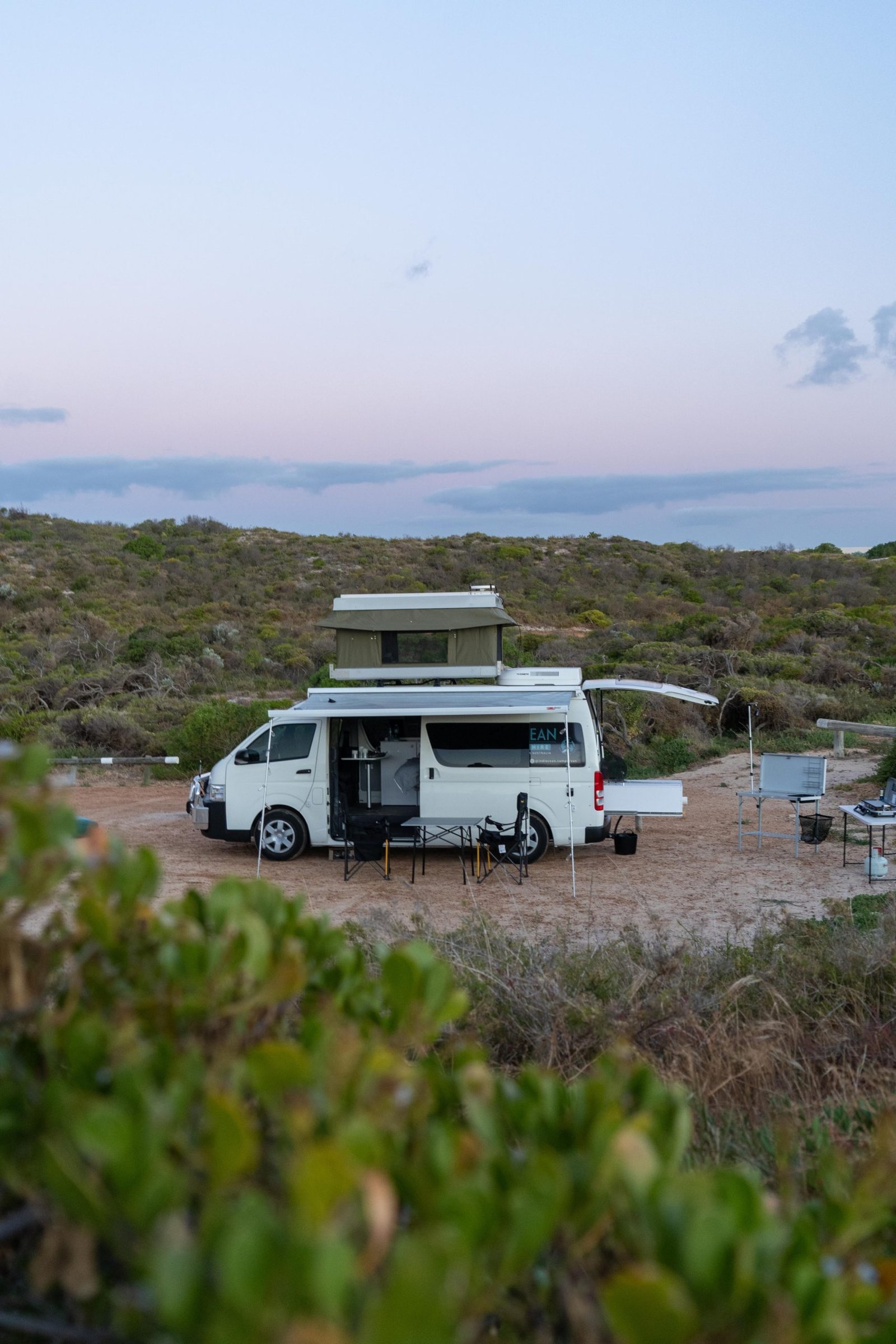
RV boondocking is camping in an RV without electric, water or sewer hookups, typically outside developed campgrounds. The term overlaps with dry camping, which also means no hookups but can include campgrounds with no utilities.
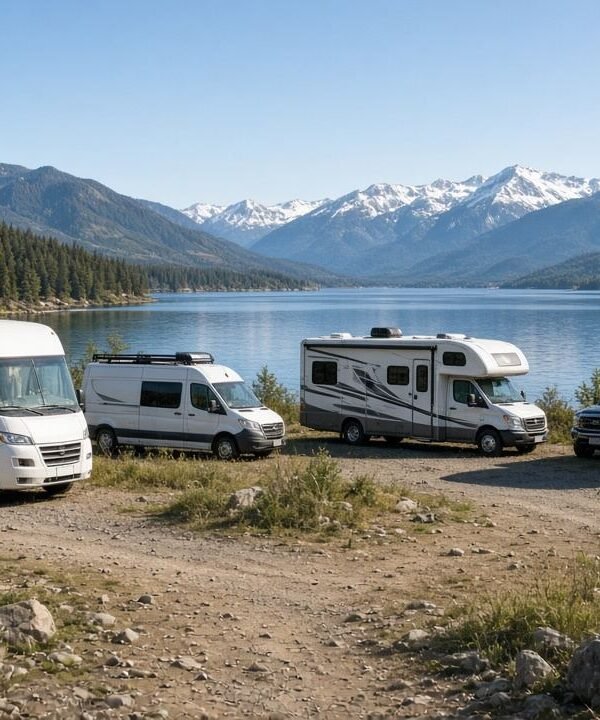
Common places to boondock
- Dispersed camping areas on BLM land and in national forests
- Designated free or low-cost sites listed by land agencies
- Some state wildlife and recreation areas, where allowed
- Long-Term Visitor Areas, which the BLM operates in parts of Arizona and California for extended winter stays with a permit
Our complete guide to free camping in the US covers more options and how to find them.
Stay limits
Both the BLM and the Forest Service generally limit dispersed camping to 14 days within a set period, though rules vary by area. After that, you usually need to move a set distance away. Check the local office’s rules before you settle in.

Before You Go: Arrive Full and Empty
Boondocking success starts before you leave pavement. The rule of thumb is to arrive with everything you consume full and everything you fill empty.
Pre-trip checklist
- Fresh water tank full
- Gray and black tanks empty
- Propane tanks full
- House batteries fully charged
- Generator fuel topped up, if you carry one
- Groceries and drinking water for the full stay plus extra
- Leveling blocks and wheel chocks
- Trash bags, since most boondocking areas have no trash service
- Offline maps downloaded, since cell coverage can be limited
Know your tank sizes
Look up the capacity of your fresh, gray and black tanks, battery bank and propane tanks in your owner’s manual. Those numbers decide how long you can stay.
Managing Power Off the Grid
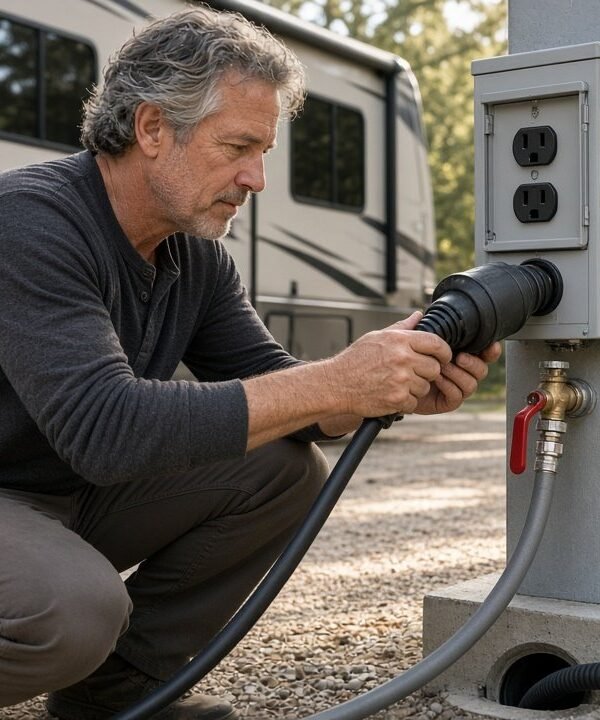
Electricity is usually the first resource boondockers run short on. Your RV’s 12-volt house batteries power lights, the water pump, vent fans and the furnace blower, while an inverter converts battery power to 120-volt household power for outlets.
Build a simple power budget
A power budget estimates how much energy you use in a day. Look up the amps or watts on each device’s label and multiply by the hours you use it.
For example, a 12-volt device that draws 2 amps and runs for 8 hours uses 16 amp-hours. Add up every device to estimate daily use, then compare it with your usable battery capacity.
Usable battery capacity
Battery type affects how much capacity you can actually use.
- Lead-acid batteries (flooded and AGM) last longer when they are not regularly drained deeply. Many manufacturers recommend not routinely discharging them below about half their capacity.
- Lithium iron phosphate batteries can typically use most of their rated capacity, but many cannot be charged below freezing. Follow the manufacturer’s specifications.
Big power users
The furnace blower can draw a lot of battery power on cold nights. High-wattage 120-volt appliances such as microwaves, hair dryers, coffee makers and air conditioners drain batteries quickly through an inverter. Many boondockers cook with propane and skip the air conditioner unless the generator is running.
Charging options
| Option | How it works | Considerations |
|---|---|---|
| Solar panels | Charge batteries during daylight | Silent; output drops with clouds, shade, short winter days and low sun angles |
| Generator | Runs RV systems and charges batteries | Noisy; fuel needed; generator hours often restricted |
| Driving | Tow vehicle or engine alternator charges batteries | Depends on wiring; often limited charging |
| Portable power station | Self-contained battery for small devices | Useful supplement; limited capacity |
Our guide to portable power for camping explains watt-hours and sizing for smaller setups.
Generator Safety and Etiquette
Generators make boondocking easier but bring two concerns: carbon monoxide and noise.
Carbon monoxide safety
The CPSC warns that portable generator exhaust contains carbon monoxide, an odorless gas that can kill. Never run a generator inside the RV, under an awning or in an enclosed space, and point exhaust away from windows, doors and vents of your own and nearby rigs. Make sure your RV’s carbon monoxide alarm works, and test it before every trip.
Generator etiquette
- Follow posted generator hours; the National Park Service and many other agencies set specific hours in campgrounds.
- In dispersed areas without posted hours, avoid running generators early in the morning or late at night.
- Park as far from neighbors as reasonable.
- Use the quietest generator you can, and turn it off once batteries are charged.

Making Fresh Water Last
Fresh water is the second limit. The USGS estimates that people in the United States use roughly 80 to 100 gallons of water per person per day at home, while many RV fresh tanks hold far less than that for an entire family’s stay.
Water-saving habits
- Take “navy showers”: wet down, turn off the water, lather, then rinse briefly.
- Wash dishes in a dishpan with a small amount of water, then rinse in a second pan.
- Wipe plates with a paper towel before washing.
- Keep a jug of drinking water separate from the fresh tank.
- Catch cold water in a container while waiting for hot water and use it for washing.
- Install a low-flow showerhead with a shutoff button.
Refilling
Carry extra water in portable containers if you plan a longer stay, and know where to find potable refill stations in nearby towns. If you need to use natural water sources, follow the treatment guidance in our article on finding and treating water while camping.

Gray and Black Tank Management
Your gray tank often fills before your fresh tank empties, especially if you shower in the RV. When either holding tank is full, your trip is over until you dump.
Tips for stretching tank capacity
- Use water-saving habits above; less water in means less gray water out.
- Use campground or trailhead toilets when available.
- Keep the black tank valve closed until you dump.
- Monitor tank sensors, but know they can be inaccurate; many RVers learn their tanks’ real capacity by tracking days of use.
Disposing of waste legally
Dump gray and black water only at approved dump stations or sewer connections. Land agencies and Leave No Trace guidance treat dumping wastewater on the ground as unacceptable; it pollutes water and soil and is prohibited in many areas. Pack out all trash as well.

Propane Basics
Propane often powers the RV’s refrigerator, furnace, stove and water heater when you boondock.
Propane tips
- Start every trip with full tanks.
- Watch the furnace; it is usually the biggest propane user in cold weather.
- Know how to switch between tanks if your RV has two.
- Test the LP gas detector, and know where the shutoff valves are.
- Close tank valves before driving, following your manual and local rules.
Choosing a Boondocking Site
Picking a good site matters more with an RV than with a tent, because a big rig can get stuck or have no room to turn around.
Before you drive in
- Scout dirt roads on foot or in a smaller vehicle if you are unsure.
- Check recent reviews and agency road reports.
- Avoid soft sand, deep ruts and mud after rain.
- Look for a level spot and a place to turn around.
- Check overhead clearance for trees and branches.
- Use existing campsites rather than creating new ones, as BLM, Forest Service and Leave No Trace guidance recommend.
At the site
Level the RV, chock the wheels and orient it for shade or sun depending on the season and whether you rely on solar. Keep a clear exit path in case of fire or weather. Check current fire restrictions on public lands before lighting any campfire or using a fire pit.

Boondocking Etiquette
Shared public land works best when everyone respects the space and the people around them. A few courtesies go a long way.
- Give neighbors room. Space is the main appeal of boondocking, so avoid parking right next to another camper when other sites are open.
- Keep noise down. Music, barking dogs and generators carry far in quiet places.
- Respect closures. Stay out of areas marked closed for wildlife, restoration or private property.
- Do not drive off-road. Stay on existing roads and use existing pull-outs to avoid damaging plants and soil.
- Keep lights low at night. Bright exterior lights spoil the dark skies many people come for.
- Leave it better. Pick up any litter you find, even if it is not yours.
Many of the same courtesies apply in developed sites, as described in our guide to campground etiquette.
Safety When Camping Far From Help
Boondocking sites can be far from services and cell coverage.
- Share your location and plans with someone at home.
- Carry a first-aid kit, extra food and water and a basic tool kit.
- Check weather forecasts for storms, flash floods, high winds and heat.
- Know the nearest hospital and town.
- Consider a satellite messenger for remote areas.

Your First Boondocking Trip Plan
- Choose a site within a short drive of a town with a dump station and water refill.
- Plan just two or three nights.
- Arrive full and empty, as above.
- Track your battery level, water level and tank levels each morning and evening.
- Note what ran out first and adjust next time.
- Leave the site cleaner than you found it.
Frequently Asked Questions
What does boondocking mean in an RV?
Boondocking means camping in an RV with no electric, water or sewer hookups, usually on public land outside developed campgrounds, relying on the rig’s batteries, tanks and propane.
How long can you boondock on BLM land?
The BLM generally limits dispersed camping to 14 days within a 28-day period in most areas, though local rules vary. Long-Term Visitor Areas in parts of Arizona and California allow longer stays with a permit.
How long will my RV batteries last while boondocking?
It depends on battery type, capacity and what you run. Make a simple power budget by adding up the amp-hours your devices use each day and comparing that with your usable battery capacity.
Can I dump gray water on the ground when boondocking?
No. Dump gray and black water only at approved dump stations or sewer connections. Dumping wastewater on the ground pollutes land and water and is prohibited in many areas.
Do I need a generator to boondock?
Not always. Many RVers rely on solar panels and batteries, especially for short trips in sunny weather. A generator helps with air conditioning, cloudy weather and large power needs.
Is boondocking safe?
Boondocking can be safe with good planning. Share your plans, check weather and road conditions, carry supplies and a first-aid kit, test your carbon monoxide and LP gas alarms, and choose sites your rig can reach and leave easily.

Sources
- Bureau of Land Management. Camping on public lands; Long-Term Visitor Areas.
- USDA Forest Service. Dispersed camping.
- National Park Service. Campground generator rules.
- U.S. Consumer Product Safety Commission. Portable generator carbon monoxide safety.
- U.S. Fire Administration. RV fire safety.
- U.S. Geological Survey. Water use in the United States.
- Leave No Trace Center for Outdoor Ethics. Seven principles.