Quick answer: when renting an RV for the first time, compare total trip cost, not just the nightly rate. Add mileage and generator fees, insurance or protection plans, security deposit, prep and cleaning fees, kitchen and linen kits, campground fees and fuel. Book with a traditional rental company or a peer-to-peer platform, confirm insurance coverage in writing, check driver age and pet rules, and insist on a full walk-through at pickup: take photos of every side, learn the hookups, tanks, generator and slide-outs, and ask exactly how the rig must be returned. A Class C motorhome or small travel trailer for two or three nights near home is an easy first trip.
Renting is the smartest way to try RV camping before spending tens of thousands of dollars on a rig. It lets you test a layout, learn the systems and find out whether you enjoy the lifestyle.
Rental listings can be confusing, though. Fees vary widely, insurance rules differ, and a smooth pickup makes a big difference to your first trip. This guide walks through the options, costs, paperwork and checklists. For the bigger picture on RV types, budgets and campgrounds, see our RV camping for beginners guide.
Sources: RV Industry Association (RVIA) and Go RVing consumer rental resources; published rental terms from national RV rental companies and peer-to-peer RV rental platforms; Insurance Information Institute (III) on RV insurance; Federal Trade Commission (FTC) guidance on reading contracts and fees; Recreation.gov and state park reservation rules. Checked October 2026.
Choosing the Right RV Type to Rent
The type of RV you rent shapes the whole trip. Match the rig to your group, your driving comfort and where you plan to camp.
Class C motorhome
Class C motorhomes are the most common rental type. They drive like a large truck, have an over-cab bed and suit families of four to six. Nothing needs to be towed, and you can walk back to the kitchen or bathroom during stops.
Camper van
Camper vans suit couples and solo travelers who want to move often and fit into small campsites and parking spaces. Space and tank sizes are limited, so they work best when you have showers and restrooms nearby.
Travel trailer
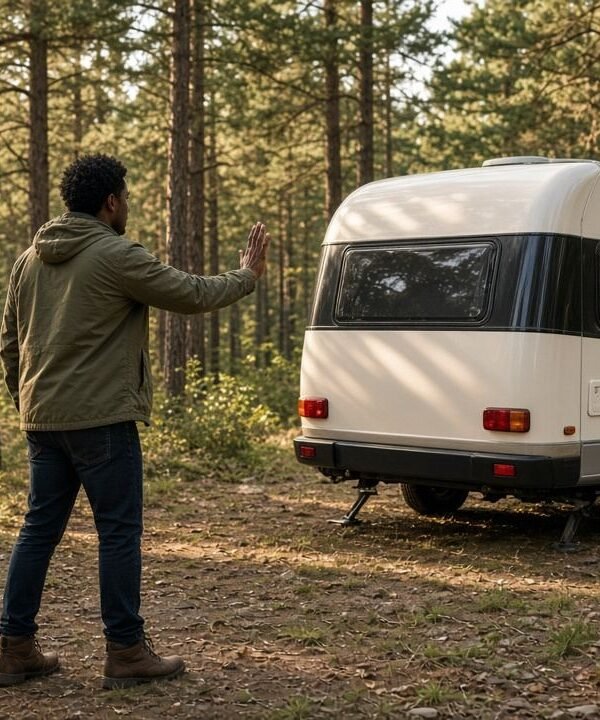
Travel trailers suit people who already own a capable tow vehicle or who choose delivery. Once set up, you have your car free for exploring, which helps on trips with lots of day outings.
Class A motorhome
Class A rentals offer the most space but are the hardest to drive and park, and they do not fit many park campgrounds. Most first-timers are better off starting smaller.

Red Flags in a Rental Listing
Most rentals go smoothly, but a few warning signs suggest you should look elsewhere.
- Requests to pay outside the platform, by wire transfer or with gift cards
- No reviews, few photos or photos that look copied from other listings
- Vague answers about insurance, fees or the cancellation policy
- An owner who refuses a walk-through or will not answer questions about systems
- Recent reviews mentioning leaks, breakdowns or dirty interiors
- Prices far below similar rentals in the same area
The FTC warns that scammers often push for unusual payment methods, so keep payment and communication on the official platform.

Where to Rent an RV
There are two main ways to rent an RV, and many first-timers check both before deciding.
Rental companies and dealers
National and regional RV rental companies own fleets of mostly newer, standardized motorhomes, commonly Class C models. Some RV dealers also rent units from their lots.
- Pros: consistent vehicles, set policies, multiple pickup locations, roadside assistance programs and staff trained to do walk-throughs
- Cons: less variety, set pickup and drop-off hours and fees for extras
Peer-to-peer rentals
Peer-to-peer platforms work like vacation-home rental sites: private owners list their own RVs, and the platform handles booking, payment and protection plans.
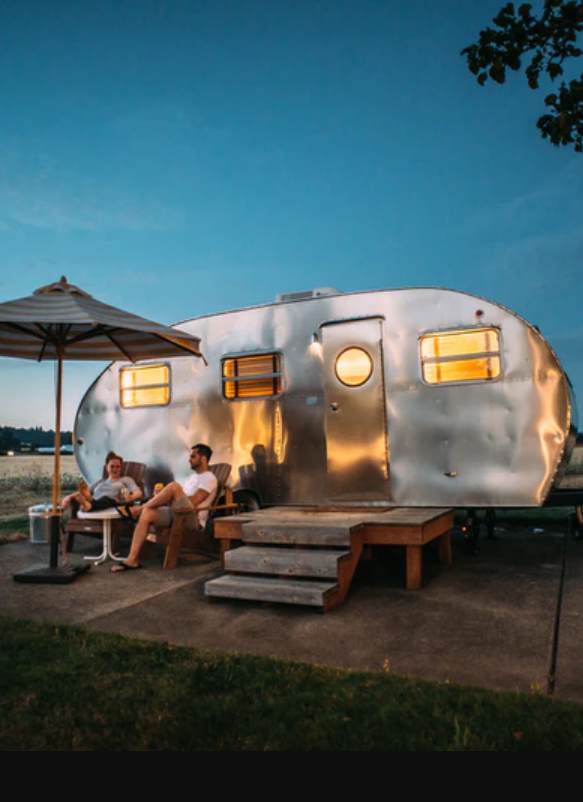
- Pros: wide variety, including travel trailers, camper vans and vintage rigs; some owners deliver and set up towables at the campsite
- Cons: quality and rules vary from owner to owner; read each listing and its reviews closely
Delivery options
Many owners offer delivery, where they tow a trailer to your campsite, level it and connect hookups. Delivery removes the need for a tow vehicle and towing experience, which makes it a popular first step.

What Goes Into the Total Cost
The advertised nightly rate is only part of the price. Rental terms from companies and platforms commonly list these charges.
| Cost item | What it is | Tip |
|---|---|---|
| Nightly rate | Base price; usually higher in summer and holidays | Midweek and shoulder season are often cheaper |
| Minimum nights | Many rentals require several nights | Check minimums for holiday weekends |
| Mileage | Per-mile fee or included miles for motorhomes | Estimate your route before booking |
| Generator use | Per-hour fee in many motorhome rentals | Plan for air conditioning needs |
| Insurance or protection plan | Coverage for damage and liability | Compare coverage levels carefully |
| Security deposit | Refundable hold on your card | Ask when it is released |
| Prep or service fee | One-time fee for cleaning and preparing the unit | Often non-refundable |
| Kitchen and linen kits | Dishes, cookware, bedding and towels | Bring your own to save |
| Cleaning and dumping fees | Charged if returned dirty or with full tanks | Return clean with empty tanks |
| Delivery fee | Per-mile or flat fee for delivered towables | Compare with towing yourself |
| Taxes and platform fees | Added at checkout | Look at the final total |
Costs outside the rental
- Campground fees: vary widely by location and hookup level
- Fuel: motorhomes use much more fuel than cars, so budget generously
- Propane: some rentals require you to return tanks at the level you received them
- Food and supplies: groceries, toilet paper safe for RV tanks and basic tools
For ways to keep a camping trip affordable, see our guide to budget camping.
Insurance and Protection Plans
Insurance is the part of renting that surprises first-timers most. Your personal auto policy may not cover a rented motorhome, and credit card rental car benefits often exclude RVs. The Insurance Information Institute recommends checking with your own insurer before you rent.
What to confirm
- Whether coverage comes from the rental company, the platform, the owner or your own policy
- The deductible for damage to the RV
- Liability limits for injuries and damage to others
- Whether roadside assistance and towing are included
- Coverage for interior damage, windshields, awnings and roofs, which are sometimes excluded
- Whether additional drivers are covered and how to add them
Get the coverage terms in writing and keep a copy in the RV.

Driver Requirements
Rental companies and owners set their own rules for drivers. Common requirements include a minimum age (often 21 or 25), a valid driver’s license and a clean driving record. Most standard rentals can be driven with a regular license, but check state rules for very large rigs. Add every person who might drive to the rental agreement.

Questions to Ask Before Booking
Ask these questions in writing so you have the answers documented:
- What is the total cost with all fees and taxes?
- How many miles or generator hours are included?
- What is the cancellation policy?
- Are pets allowed, and is there a pet fee?
- Is smoking or vaping prohibited?
- What is the vehicle’s length and height, and will it fit the campsites I am booking?
- Does the RV have a generator, solar or inverter?
- What are the fresh, gray and black tank sizes?
- Are kitchen items, bedding and towels included or extra?
- What are the pickup and return times, and is early or late return possible?
- What happens if something breaks on the road?
- Are there restrictions on where I can drive, such as dirt roads, Mexico or Canada, or certain parks?
Check campsite length
Know your rental’s length before booking campsites. Many national park and older state park sites have length limits. Our guide on how to book hard-to-get campsites covers reservation windows and site details.

The Pickup Walk-Through Checklist
The walk-through is your chance to learn the RV and document its condition. Allow at least an hour, and do not rush.
Document condition
- Photograph and video every side of the RV, the roof (if visible), tires, awning, windshield and interior.
- Note existing scratches, dents and stains on the rental paperwork.
- Check the odometer, generator hour meter, fuel level and propane level.
Learn the systems
- Power: shore power cord, adapters, generator start and stop, battery switch
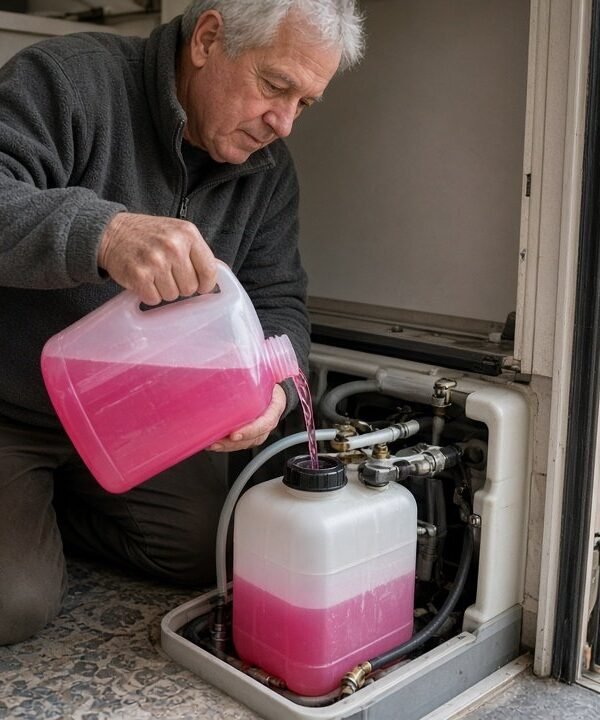
- Water: city water connection, fresh tank fill, water pump, water heater
- Waste: tank monitors, valve handles, sewer hose and how to dump
- Propane: tank valves, stove, furnace and refrigerator operation
- Slide-outs and awning: how to extend and retract safely
- Leveling: jacks or blocks
- Safety: smoke alarm, LP detector, carbon monoxide alarm, fire extinguisher, exits
Ask the owner or agent to demonstrate each system and record short videos on your phone for reference later.
Ask for the manuals
Request the owner’s manual and appliance manuals, or links to digital copies. Many rental companies and owners also share short how-to videos for their specific rig, which are easier to follow than a quick verbal demonstration when you are tired at the campsite.
Driving tips
Ask about height clearance, mirror adjustment, backup camera and any quirks. Practice driving in the lot before leaving.

During Your Trip
A few habits help you avoid fees and problems.
- Keep the rental agreement, insurance papers and emergency numbers in the RV.
- Use RV-safe toilet paper and keep the black tank valve closed until dumping.
- Retract slide-outs and awnings before driving and in high winds.
- Log any problems immediately with photos and notify the owner or company.
- Follow campground rules and quiet hours; our guide to campground etiquette covers the basics.

Returning the RV
Return terms differ, so follow your agreement. Typical expectations include:
- Holding tanks dumped and flushed, if required
- Fuel and propane refilled to pickup levels
- Interior swept and wiped, dishes washed and trash removed
- Exterior free of excessive mud if required
- On-time arrival
Take photos and video again at drop-off showing condition, fuel and odometer readings. Ask when your security deposit will be released.

Tips for a Great First Rental Trip
- Rent a smaller RV than you think you need; it is easier to drive and park.
- Choose a campground with full hookups and pull-through sites.
- Stay within a few hours of home.
- Book two or three nights so you have time to learn the systems.
- Arrive in daylight.
- Bring a printed checklist; our printable RV camping checklist is a good start.
- Read up on common RV first-trip mistakes before you go.

Frequently Asked Questions
How much does it cost to rent an RV?
Costs vary by RV type, location, season and platform. Add the nightly rate, mileage and generator fees, insurance or protection plans, prep and cleaning fees, campground fees and fuel to estimate the total.
Is it better to rent an RV from a company or a private owner?
Rental companies offer consistent vehicles and set policies, while peer-to-peer rentals from private owners offer more variety and sometimes delivery. Read reviews and compare total cost and insurance coverage.
Does my car insurance cover a rented RV?
Not always. Many personal auto policies and credit card benefits exclude rented motorhomes. Check with your insurer and confirm the rental’s protection plan in writing.
Do I need a special license to rent an RV?
Most rental RVs can be driven with a standard driver’s license. Rental companies often require drivers to be at least 21 or 25.
What type of RV is easiest to rent for beginners?
Class C motorhomes are common in rental fleets and easy to learn. A delivered travel trailer that the owner sets up at your campsite is another simple option.
What should I check when picking up a rental RV?
Photograph the whole RV, note existing damage, record fuel, propane, mileage and generator hours, and get a full demonstration of power, water, waste, propane, slide-outs and safety equipment.

Sources
- RV Industry Association and Go RVing. RV rental resources.
- National RV rental companies and peer-to-peer platforms. Published rental terms and fee policies.
- Insurance Information Institute. RV insurance.
- Federal Trade Commission. Consumer guidance on contracts and fees.
- Recreation.gov and state park reservation systems. Campsite length and booking rules.