
Quick answer: the biggest savings come from where, when and how you camp. Choose a nearby campground, go midweek or off-peak, borrow or buy used gear, cook simple meals from a written plan, and spend money first on safety items such as a good sleeping setup, weather protection and a first aid kit.
Camping has a reputation as an affordable way to travel, and it often is. Yet costs can climb fast: a pile of new gear, fuel for a long drive, pricey campsite fees, restaurant stops on the way and impulse purchases at the camp store. The good news is that most of those costs are optional. A modest trip can be fun, comfortable and safe for far less than many people expect.
This guide focuses on practical savings and avoids invented numbers. Prices for campsites, passes and gear change by location and season, so check current rates with the campground, park or retailer before you plan. Where official information exists, such as National Park Service and Forest Service pages, it is named so you can verify the details yourself.
The goal is not to camp as cheaply as possible at any cost. It is to spend deliberately. That means saving on things that do not affect safety or comfort, and spending where it matters.
Set a Budget and Track What You Spend
Begin with a number. Decide how much you are willing to spend on a trip, then break it into categories: campsite fees, transportation, food, gear and a small cushion for surprises. Write it down on paper or in a spreadsheet. A budget that exists only in your head tends to expand quietly.
Track the real costs after each trip. Note what you spent on fuel, fees and groceries, and compare it with your plan. After two or three outings you will see patterns, such as how much food your family actually eats or how far you can drive before fuel costs outweigh the benefit of a more scenic site. Those patterns guide better decisions than any general rule.
Remember hidden costs. Reservation or cancellation fees, firewood, ice, parking passes, dump station fees and pet fees can add up. Ask about them when you book and read the campground’s policies. A site that seems cheap may lose its advantage once extras are included.
Finally, consider the cost of a failed trip. Cheap gear that leaks, a flimsy pad that leaves you cold or a thin plan that leaves you hungry can send a family home early and sour them on camping. Saving money is only useful if the trip still works.
Choose Lower-Cost Places and Times
Location is the largest lever. Camping close to home saves fuel and travel time, and it lets you reduce the number of nights if the weather turns. State parks, county parks, national forest campgrounds and some private campgrounds often cost less than resort-style properties with extra amenities. Compare what each charges and what it includes, such as showers, hookups and firewood.
Timing matters nearly as much. Weekday nights are often easier to book and sometimes cheaper than weekends. Shoulder seasons, the weeks just before or after peak summer, often bring lower demand and more availability. Most campgrounds publish seasonal pricing on a rate page. Be flexible about dates and you may find better options.
Book smart. State and federal reservation systems release sites on set schedules, and cancellation policies differ. Florida State Parks, for example, publish how far ahead residents and non-residents can reserve. Look up the rules for your target park and set a reminder for when booking opens. Read the cancellation terms before you commit, and avoid reserving more nights than you are sure you will use.
Look at public land. Many national forests allow dispersed camping, which is camping outside developed campgrounds, often at no charge and without a reservation. Rules vary by forest and district, and common conditions include stay limits, minimum distances from water and a requirement to pack out all trash. Confirm the rules with the local ranger district before you go. Our guide to free camping in the US explains the main options. Free sites usually offer fewer services, so bring your own water and plan for waste.
Use Passes and Fee-Free Opportunities Wisely
Federal lands offer ways to cut entrance costs. The National Park Service and Recreation.gov provide information about the America the Beautiful pass, an annual pass for federal recreation lands, and about fee-free days on which entrance fees are waived at many sites. The agencies note that other fees, such as camping, reservations, permits and tours, may still apply on those days. Look up the current price, the eligibility rules and the list of fee-free days on the official pages before you decide whether a pass pays off.
Do the math for your own habits. A pass makes sense if you expect to visit enough fee-charging sites in a year to exceed its cost, and not otherwise. Certain groups may qualify for special passes or programs, so look at the official pass page to see what applies to your household.
Park entrance is only one part of the bill. Campsite fees at federal campgrounds are separate, and state park systems often have their own annual passes. If you camp often in one state, ask whether an annual state pass reduces day-use or entrance charges. Ask the staff at the park office, who usually know which options save the most.
Do not forget local deals. Some parks offer lower rates for midweek stays, longer stays or group sites that can be split between families. Some give discounts to local residents. A phone call to the office can turn up options that are not obvious online.
Borrow, Rent or Buy Used Gear
New equipment is the quickest way to blow a budget. Start with what you already own. Many households have blankets, pillows, a cooler, flashlights, tarps and cookware that work well for a first trip. Our car camping checklist helps you see what you can find at home before spending on anything new.
Borrow what you can. Friends and family who camp may lend a tent, lantern or stove, and borrowing for a first trip helps you learn what you really need. Inspect anything you borrow, set it up in the yard first, and return it clean and dry. Rental programs from outdoor retailers, community groups, libraries and universities can also be a low-cost way to try gear for a weekend.
When you buy, buy thoughtfully. Used gear from yard sales, local resale groups and secondhand shops can cost much less than new, but check it closely. Look at tent seams, zippers, poles and coatings, and check sleeping bags for odors or damage. Mildew can ruin fabric, and compressed insulation loses warmth, as we explain in our guide to camping gear care. Ask the seller how the item was stored and whether it has been repaired.
Do not let marketing do the shopping. The list of cool gadgets is endless, and gadget roundups are fun to read, but few items are required on a first outing. Buy based on problems you have actually run into, not on problems you imagine. Wait a few trips before upgrading anything that works.
Plan Cheap, Filling Meals
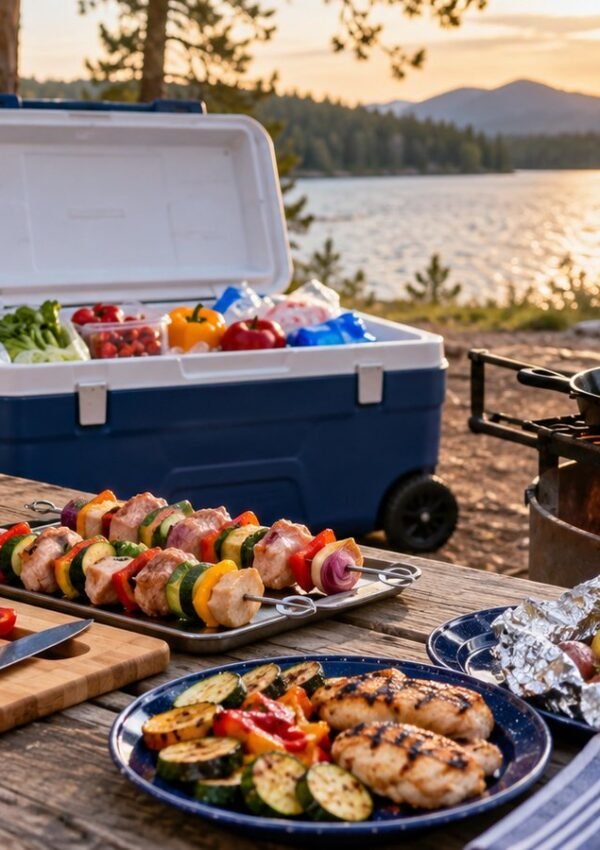
Food is where many camping budgets leak. Eating out on the road, buying single-serve items at camp stores and overbuying groceries all cost more than a simple plan. Write a menu for every meal, make a shopping list and buy only what is on it. A written plan also cuts food waste, which matters because leftover food that spoils is money thrown away and a wildlife attractant.
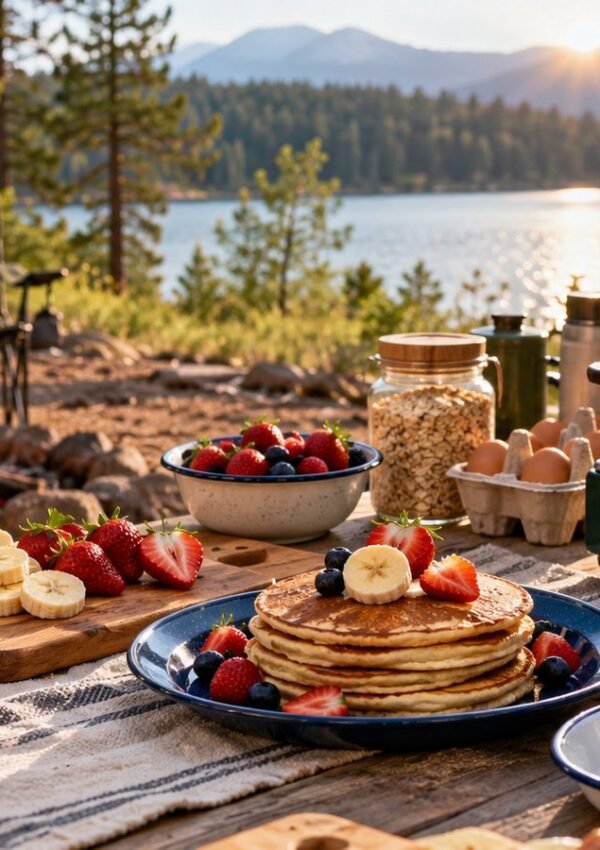
Lean on simple ingredients. Pasta, rice, beans, eggs, oatmeal, potatoes, tortillas, peanut butter and seasonal produce stretch a long way. Our three-day camping food list and food to bring for beginners show how to build a menu without much cooking, and prepping meals at home helps even more.
Prepare ahead. Chopping vegetables, mixing pancake batter, portioning snacks and freezing marinated meat at home saves time and fuel at camp. Frozen items double as ice in the cooler, and a well-packed cooler keeps food safe longer. Keep raw meat separate from other foods and store everything below the temperatures recommended by food safety agencies.
Bring water from home when you can. Reusable bottles and a refillable jug cost far less than bottled water. Check whether the campground has safe drinking water, and ask the camp host if you are unsure. Only treat or filter water from natural sources if you know how to do it properly, since contaminated water can cause illness.
One more habit pays off over time: keep a running wish list instead of buying on impulse. When you notice a real problem on a trip, such as a lantern that is too dim or a pad that leaves your back cold, add it to the list with a note on what it would fix. Before buying, wait a week, look for used or borrowed options, and compare at least a few models. Items that survive the waiting period are usually the ones worth the money. Try a similar approach to upgrades, and replace only what is worn out or genuinely holding you back.
Camping with kids changes the math slightly. Children need warm bedding, extra clothes and snacks, and they get tired and cranky quickly, so build in margin. A shorter trip close to home, with a simple plan and time to play, often costs less and goes better than an ambitious weekend far away. If a backyard rehearsal sounds useful, a night in the backyard costs almost nothing and shows you what is missing from the gear pile before you drive anywhere.
Save on Fuel and Fees, Not on Safety
Transportation costs are easy to cut with planning. Combine errands, carpool with another family, remove extra weight from the vehicle, and choose a destination within a short drive. Keep tires properly inflated and drive at steady speeds to help fuel economy. Compare the total cost of a farther campground against a closer, less glamorous one.
Be careful where you economize. A budget does not justify skipping safety basics. Pack a first aid kit, flashlights with fresh batteries, a way to charge your phone, rain protection and enough water. Know the weather forecast and the plan if a thunderstorm approaches, as covered in our guide to camping in the rain. Never use a stove, grill or heater inside a tent, because carbon monoxide is odorless and can build up quickly, according to the Centers for Disease Control and Prevention.
Do not cut corners on sleep. A warm, dry night makes the whole trip better, and a good pad and sleeping bag are often the best gear investments. Spend on those before you spend on extras. Cold, damp campers go home early, which wastes the campsite fee and the fuel.
Respect the land while you save. Pack out trash, follow fire rules and stay on designated sites so that free and low-cost places remain open. Public lands can restrict camping where visitors cause damage, and good habits protect the access that makes budget camping possible.
Frequently Asked Questions
What is the cheapest way to camp?
Dispersed camping on public land, where allowed, is often free, but it comes with fewer services and stricter self-reliance. Check the rules for the specific forest or district, and bring water, a plan for waste and the means to pack out trash.
Do I need to buy all new camping gear?
No. Start with what you own and borrow or rent the rest for a first trip. Buy used gear carefully after inspecting seams, zippers and insulation.
Is the America the Beautiful pass worth it?
It depends on how many fee-charging federal sites you visit. Look at the current price and rules on NPS or Recreation.gov pages and compare against your expected entrance fees. Camping and reservation fees are separate.
How can I cut food costs while camping?
Plan every meal, shop from a list, cook simple dishes and prepare ingredients at home. Use frozen items as ice and avoid buying single-serve products at camp stores.
When is camping cheapest?
Midweek and off-peak or shoulder seasons often bring lower demand and sometimes lower rates. Each campground’s rate page shows its own pricing.

Leave a Reply