Quick answer: RVs come in two main families. Motorhomes are drivable: Class A (the largest, bus-style), Class B (camper vans, the smallest) and Class C (built on a van or truck cab with an over-cab bunk). Towables are pulled by another vehicle: travel trailers (bumper-pull), fifth wheels (hitched in a pickup bed), toy haulers, pop-up campers, teardrops and truck campers that sit in a pickup bed. Choose by how many people sleep aboard, whether you already own a capable tow vehicle, where you want to camp (big rigs do not fit many campsites), your budget and how comfortable you are driving or towing something large.
Walking an RV show or a dealer lot can be overwhelming, with rigs ranging from tiny teardrops to motorhomes the size of a city bus. Each type has trade-offs in cost, space, driving ease and where it can go.
This guide explains each major type of RV in plain language, compares them side by side and offers a set of questions to narrow your choice. For costs, renting, hookups and campgrounds, see our RV camping for beginners guide.
Sources: RV Industry Association (RVIA) RV type definitions and Go RVing consumer resources; National Highway Traffic Safety Administration (NHTSA) towing safety guidance; state departments of motor vehicles on RV licensing; National Park Service and Recreation.gov campsite length information. Checked October 2026.

The Two Main Families: Motorhomes and Towables
RVs are divided into motorhomes, which have their own engine, and towables, which are pulled by a car, SUV or truck. The RV Industry Association uses these categories in its consumer resources.
Motorhomes
You drive a motorhome, and passengers ride in seats with seat belts while traveling. Setup at camp is quick because there is nothing to unhitch. Many owners tow a small car behind a motorhome for local trips, which is often called a “toad.”
Towables
Towables separate the living space from the vehicle. Once you set up camp, you can unhitch and use the tow vehicle for errands and sightseeing. Towables generally cost less than motorhomes of similar size, but you need a vehicle rated to pull them.

Class A Motorhomes
Class A motorhomes are the largest drivable RVs, built on a heavy-duty truck or bus chassis with a flat front and large windshield. Many range from about 25 to 45 feet long.
Pros
- The most interior space and storage of any motorhome
- Residential-style features, such as full kitchens and multiple slide-outs, in many models
- Large holding tanks and onboard generators for longer stays without hookups
- Panoramic driving views
Cons
- Highest purchase, insurance and maintenance costs
- Lower fuel economy than smaller rigs
- Too long for many national park and older state park campsites
- Challenging to drive in cities, on narrow roads and at gas stations
Gas vs diesel
Class A motorhomes come with gas engines (usually front-mounted) or diesel engines (often rear-mounted, called “diesel pushers”). Diesels are generally more expensive and powerful and are common on larger, heavier models.

Class B Motorhomes (Camper Vans)
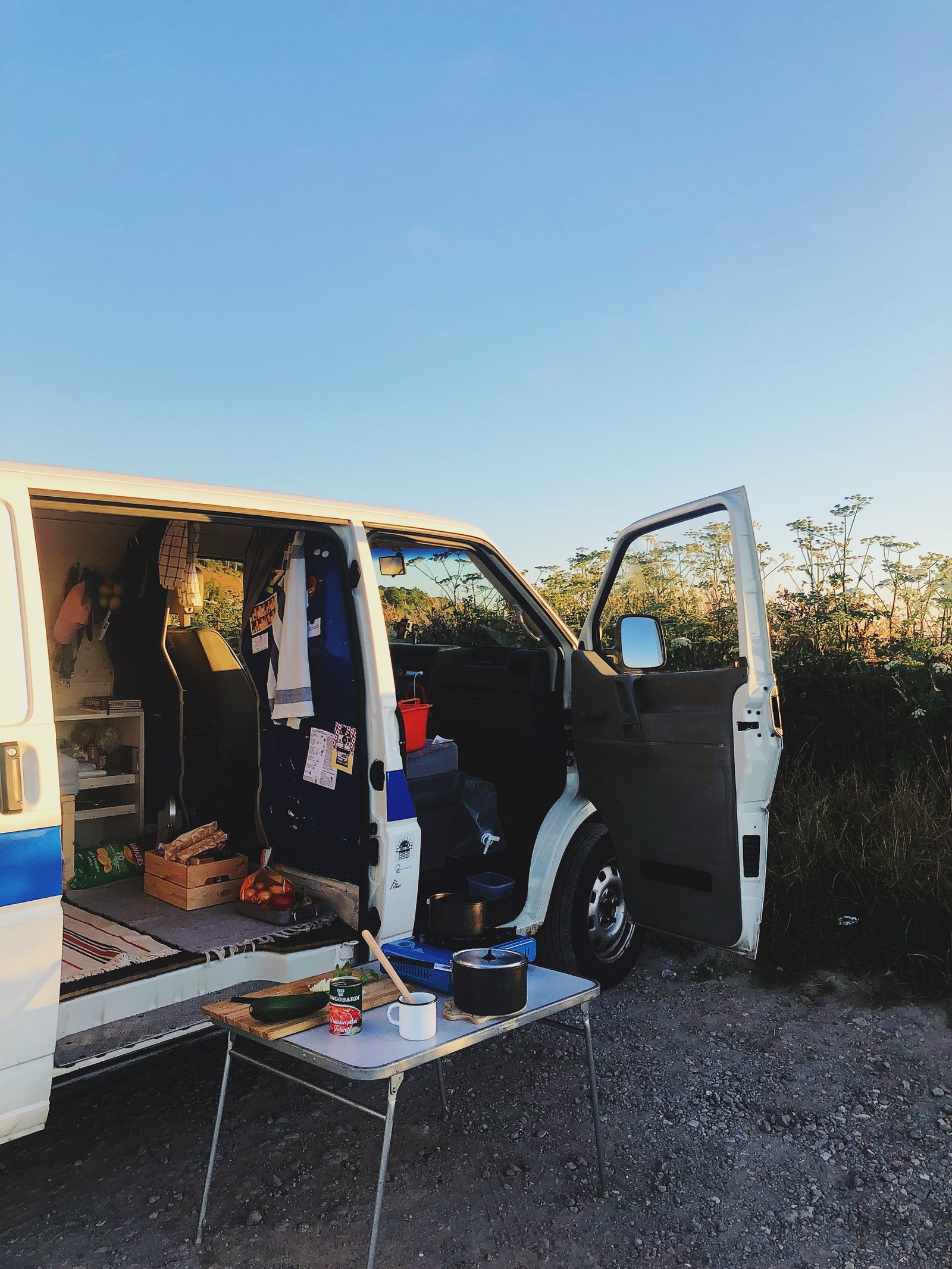
Class B motorhomes are built inside a full-size van, such as a high-roof cargo van. They are the smallest motorhomes and drive much like a large passenger van.
Pros
- Easiest motorhome to drive and park
- Fits in regular parking spaces in many cases and in most campsites
- Can double as a daily vehicle for some owners
- Better fuel economy than larger motorhomes
Cons
- Limited space for more than two people
- Small or no holding tanks in some models; wet baths that combine toilet and shower
- High cost per square foot
- Little storage for gear
Our guide to van camping for beginners covers van conversions and van life basics.

Class C Motorhomes
Class C motorhomes are built on a van or truck cutaway chassis with the cab attached. The recognizable feature is the bunk over the driver’s cab. Many range from about 20 to 33 feet long.
Pros
- Good balance of space and driveability
- Popular for families thanks to the over-cab bunk and convertible dinettes
- Common in rental fleets, so it is easy to try one first
- Easier to service at regular truck shops than larger rigs
Cons
- Less storage than Class A
- Longer models can still be hard to fit in some campsites
- Fuel economy is lower than a van or car
Super C motorhomes
Super C motorhomes use a heavy-duty truck chassis, often with a diesel engine. They combine Class C layouts with greater towing and cargo capacity.

Travel Trailers
Travel trailers are towed with a ball hitch on the back of a vehicle, which is why they are also called bumper-pull trailers. They are the most common type of towable and come in a huge range of sizes and floor plans.
Pros
- Wide range of prices and floor plans
- Some smaller and lightweight models can be towed by SUVs and half-ton pickups, depending on ratings
- Free up the tow vehicle for day trips
- Easier to find at dealers and on the used market
Cons
- Require a properly rated tow vehicle and hitch setup
- Towing and backing take practice
- More prone to sway than fifth wheels, so sway control matters

Fifth Wheel Trailers
Fifth wheels attach to a special hitch mounted in a pickup truck bed. The front section rises over the bed, often holding a bedroom, which gives fifth wheels a split-level layout.
Pros
- Very stable towing because the hitch sits over the truck’s rear axle
- Tall ceilings and roomy, residential-style floor plans
- Shorter overall combined length than a travel trailer of similar interior space
Cons
- Require a pickup truck with enough payload, often a three-quarter-ton or one-ton truck for larger models
- The hitch takes up most of the truck bed
- Heavy and tall, which limits some campgrounds and roads

Toy Haulers
Toy haulers are travel trailers, fifth wheels or motorhomes with a rear garage and a ramp door for motorcycles, ATVs, bikes or kayaks. When the garage is empty, it often converts into extra living or sleeping space.
Pros and cons
Toy haulers are versatile for outdoor sports and families, and the ramp door can become a patio. They tend to be heavy, and carrying vehicles adds even more weight, so tow ratings and payload become especially important.

Pop-Up Campers, Teardrops and Small Trailers
Small towables are a popular, affordable entry into RVing.
Pop-up (folding) campers
Folding camping trailers have hard bases with fabric walls that fold up for travel. They are light, low and easy to store, but offer less insulation and privacy, and setup takes time.
Teardrop trailers
Teardrops are compact trailers with a sleeping area inside and, typically, a kitchen under a rear hatch. Many can be towed by smaller vehicles, which makes them a step up from tent camping.
Hybrid trailers
Hybrids combine a hard-sided travel trailer with fold-out tent beds at the ends, offering more sleeping space at a lower weight.

Truck Campers
Truck campers slide into the bed of a pickup. They can go almost anywhere the truck can, including rough roads, and they leave the option of towing a boat or trailer behind.
Pros and cons
Truck campers are compact and capable off pavement, but living space is limited, and the truck must have enough payload to carry the camper’s weight safely.

RV Types at a Glance
| Type | Drivable or towed | Typical sleeping capacity | Ease of driving or towing | Campsite fit | Relative cost |
|---|---|---|---|---|---|
| Class A | Drivable | 4 to 8 | Hardest | Limited in older parks | Highest |
| Class B | Drivable | 1 to 2 | Easiest | Fits most sites | High for the size |
| Class C | Drivable | 4 to 8 | Moderate | Good to moderate | Moderate to high |
| Travel trailer | Towed | 2 to 10 | Moderate (needs practice) | Varies by length | Low to moderate |
| Fifth wheel | Towed by pickup | 4 to 10 | Stable but large | Limited for big models | Moderate to high |
| Toy hauler | Towed or drivable | 4 to 8 | Varies; heavy | Limited for big models | Moderate to high |
| Pop-up | Towed | 2 to 6 | Easy | Fits most sites | Lowest |
| Teardrop | Towed | 1 to 2 | Easy | Fits most sites | Low |
| Truck camper | Carried in truck bed | 2 to 4 | Moderate | Fits most sites | Moderate |
These ranges are general; check specific models for exact sleeping capacity, weight and length.
Licensing and Insurance Basics
Most states let you drive or tow a recreational vehicle with a standard driver’s license, but a handful of states require a special license or endorsement for very heavy or long combinations. Check your state DMV rules before buying a large rig.
RV insurance works differently for motorhomes, which need auto coverage, and towables, which are usually insured separately and often carry liability through the tow vehicle’s policy. Ask your insurance agent how each type is covered.

Questions to Help You Choose
Answering these questions narrows the field quickly.
- How many people will sleep aboard? Count beds, not just seats.
- Do you already own a truck or SUV? Check its towing capacity and payload before shopping for towables.
- Where do you want to camp? Many national park and older state park campsites have length limits, so smaller rigs fit more places. Check site lengths when you book hard-to-get campsites.
- How often will you travel? Weekenders and full-time travelers need different features.
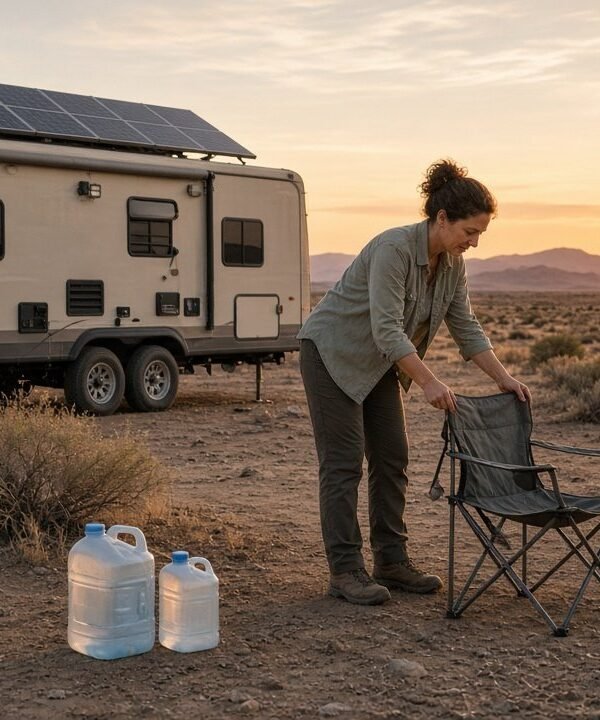
- Will you camp without hookups? Larger tanks, batteries, solar and generators matter for boondocking.
- Where will you store it? HOA rules, driveway space and storage lot fees can rule out some sizes.
- What is your total budget? Include insurance, storage, maintenance, fuel and campground fees, not just the purchase price.
- How comfortable are you driving large vehicles? Rent first to find out.

New vs Used RVs
Whichever type you choose, you will also decide between new and used. Each path has trade-offs.
Buying new
New RVs come with manufacturer warranties and the latest features, and you can often choose options. RVs typically lose value quickly in their first years, much like cars, so a new rig costs more over time. New units can also have early defects that need dealer repairs, so a careful walk-through before you take delivery matters.
Buying used
Used RVs cost less and the first owner has absorbed the steepest depreciation. The main risks are hidden water damage, worn tires, aging appliances and roof seals. Inspect carefully for soft floors, stains on ceilings and musty smells, and consider hiring an independent RV inspector before you buy. Check the manufacture date on tires and propane cylinders, and ask for maintenance records.

Rent Before You Buy
Renting an RV for a weekend is the best way to test a type before committing. Rental platforms and dealers offer most classes, and Class C motorhomes and travel trailers are especially common. Take notes on what you liked and missed.
Our guide to RV first-trip mistakes helps you get the most out of a trial trip, and our printable RV camping checklist covers packing.

Frequently Asked Questions
What is the difference between Class A, B and C RVs?
Class A motorhomes are the largest, built on a bus or heavy truck chassis. Camper vans are Class B, the smallest. Class C models are built on a van or truck cutaway chassis and have a bunk over the cab.
What type of RV is best for beginners?
It depends on your vehicle, budget and family size. Class C motorhomes and small travel trailers are popular starting points, and renting first is the best way to decide.
What is the easiest RV to drive?
Class B camper vans are the easiest motorhomes to drive and park because they are built on full-size vans.
What is the difference between a travel trailer and a fifth wheel?
A travel trailer hitches to a ball on the back of the tow vehicle, while a fifth wheel attaches to a special hitch in a pickup truck bed. Fifth wheels tow more stably but require a pickup with enough payload.
Do you need a special license to drive an RV?
Most states allow standard licenses for typical RVs, but a few require a special license or endorsement for very heavy or long rigs. Check your state DMV.
What size RV fits in national park campgrounds?
Site lengths vary by park and campground, and many older sites are short. Check the maximum vehicle length listed for each site on Recreation.gov before booking.

Sources
- RV Industry Association and Go RVing. RV types and consumer resources.
- National Highway Traffic Safety Administration. Towing a Trailer: Being Equipped for Safety.
- State departments of motor vehicles. RV and trailer licensing rules.
- National Park Service and Recreation.gov. Campsite length and vehicle information.