
Quick answer: Leave No Trace is a set of seven principles from the Leave No Trace Center for Outdoor Ethics. Plan ahead, camp on durable surfaces, pack out waste, leave what you find, keep fires small and legal, respect wildlife, and be considerate of other visitors.
Every campsite has a history. Some are tired patches of bare dirt that have hosted thousands of tents. Others are quiet corners where one careless group can leave marks that last for years. The Leave No Trace Center for Outdoor Ethics created seven principles that help campers tell the difference and act accordingly, whether they are pitching a tent in a state park or pulling a camper into a national forest.
The principles are not a rulebook with legal force. They are a shared way of thinking, and they work best when paired with the actual regulations of the place you visit. Where this guide describes specific distances and methods, they come from the Leave No Trace Center, and the center notes that land managers can set their own rules. Check locally, then use the principles to fill the gaps.
What follows takes each principle in turn and turns it into habits that fit ordinary car camping, family trips and weekends away. Skim the headings first if you are short on time, then come back for the details before your next trip.
Principle 1: Plan Ahead and Prepare
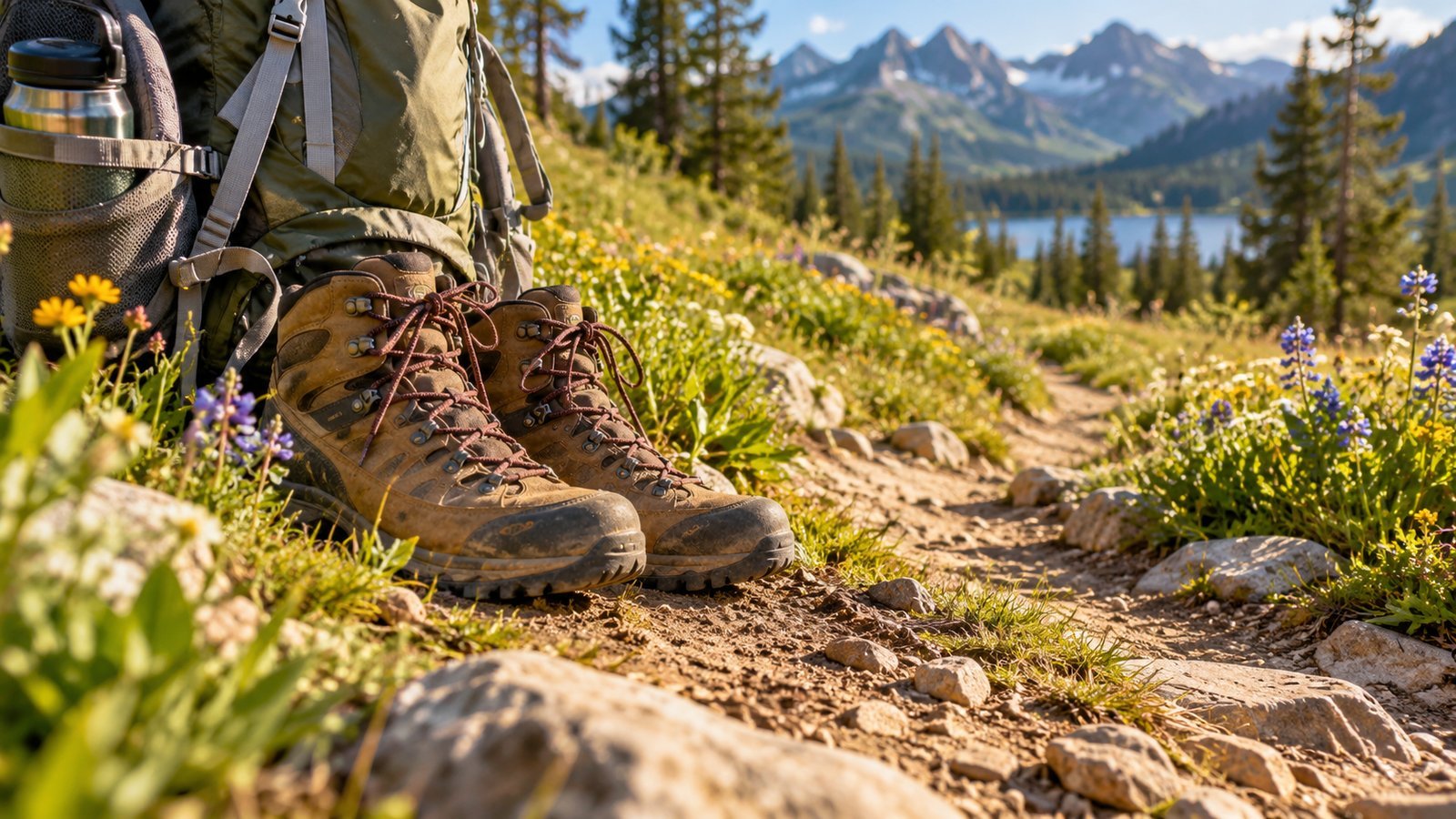
The Leave No Trace Center sums up the first principle as know before you go: check weather, regulations and conditions so you are ready for what comes. Good planning prevents many of the problems that later cause damage. Campers who arrive late, tired and unprepared make hasty choices, such as pitching on fragile ground or cutting a corner through vegetation because it was getting dark.
Start with the rules. Look at the website of the campground, park or forest to find out about fire restrictions, permit requirements, group-size limits and how long you may stay. Reserve a site when reservations are available. Book a group site if you travel with many people, since group sites are built to hold multiple tents and keep noise away from others, as the center points out.
Plan meals to cut down on waste. Repackage food into reusable containers and bring only what you need. Simple menus produce less trash and fewer smelly leftovers, and our guides to food to bring camping as a beginner and a three-day camping food list can help you decide what to pack. Bring bags for trash, a small trowel if you might need it, and enough water containers to avoid wandering around for water.
Finally, prepare for weather and emergencies. A group that has a safe response ready does not need to improvise in ways that harm the land. Our articles on campsite safety and camping in the rain explain how to prepare.
Principle 2: Travel and Camp on Durable Surfaces
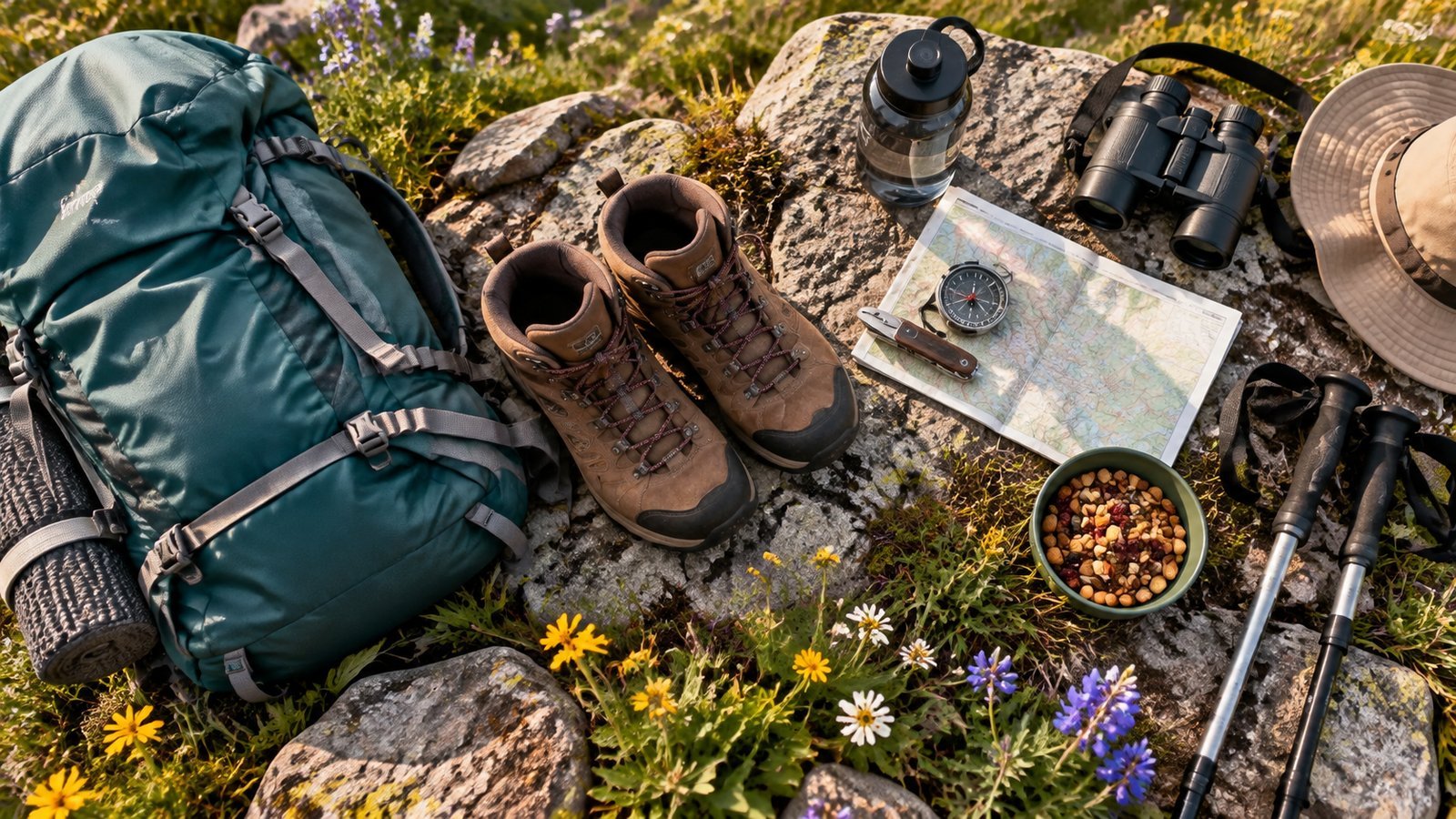
Durable surfaces, according to Leave No Trace, include established trails and campsites, rock, gravel, and dry grasses or snow. Soil and plants recover slowly from trampling, so concentrating use where damage has already happened helps the rest of the landscape. In developed campgrounds, the answer is straightforward: use the designated pad or the established site and keep gear and activity within it.
The center warns against site creep, the slow growth of a campsite caused by repeatedly trampling its edges. Avoid it by choosing a site large enough for your group and gear, keeping tents on designated pads or bare areas, and resisting the urge to spread out onto the vegetation. A good campsite, the center says, is found rather than made, so skip the temptation to clear brush, level the ground or build furniture from natural materials.
On trails, walk single file in the middle of the path, even when it is wet or muddy. Stepping around puddles widens the trail and damages the edges. In popular areas, concentrate use on existing trails and campsites. In undisturbed places, the advice flips: spread out so no new paths or campsites form.
Water is a special case. The center recommends camping at least 200 feet, or about 70 to 80 adult steps, from lakes and streams in many settings, which protects the fragile plants along the shore and leaves room for wildlife to reach the water. Always check local rules, since some campgrounds have designated sites close to water. In deserts, take extra care. Living soil crusts, known as cryptobiotic crust, can be destroyed by a single footstep, so stay on developed trails or on rock.
Rock slabs and gravel pads make good kitchen areas because they shrug off foot traffic. Set up the cooking space, the tent and the places where bags are dropped on the same hardened ground, and choose a route between them so a visible path does not develop. When you break camp, look over the site once more: brush out footprints, and if the ground looks scuffed in an undisturbed area, scatter natural materials such as pine needles over it, as the center suggests.
Principle 3: Dispose of Waste Properly
Pack it in, pack it out. The Leave No Trace Center says this includes food scraps and pet waste, and that burning trash is never recommended. Inspect your campsite and rest areas for trash or spilled food before leaving. Look for micro-trash, such as bits of wrapper, bottle caps and organic litter like orange peels or pistachio shells. Kids can turn the search into a game.
Kitchen waste needs extra care. The center advises packing out items such as bacon grease and leftovers, and planning meals so they leave less smelly garbage behind. It also says not to count on a fire to dispose of it, because half-burned or buried garbage still attracts animals. Developed campgrounds have trash and recycling systems that you should use, with lids closed after each visit.
Washing up comes next. The center recommends carrying water at least 200 feet away from streams or lakes, using small amounts of biodegradable soap, and scattering strained dishwater. Even biodegradable soap can affect water quality, so use as little as possible. At a developed campground with a dish station or a wastewater drain, ask the host where to dump gray water and follow the rules.
Human waste is the part most people avoid talking about. Use the toilets provided whenever possible. Where there are none, the center describes digging a cathole 6 to 8 inches deep, at least 200 feet from water, camp and trails, then covering and disguising it. Toilet paper should be buried deeply in the cathole or packed out, and wipes should always be packed out, even if the label says biodegradable. Land managers in some places, such as narrow canyons and fragile desert or alpine areas, may require you to pack out solid waste. Menstrual products and diapers also go into a sealed bag and out with you.

Principle 4: Leave What You Find
Take photos, not souvenirs. The Leave No Trace Center says to leave rocks, plants and artifacts where they are. A single pretty stone seems harmless, and so does a handful of wildflowers or an old arrowhead, but multiplied by thousands of visitors the effect is real. Cultural and historic objects also often have legal protection, so leave them alone and mention any discovery to a ranger.
The same idea applies to the campsite itself. Do not cut live branches, strip bark, dig trenches around a tent or carve into trees. Leave natural features as they are, and do not build structures, furniture or rock cairns that were not there. If you move a log to make a seat, put it back when you leave.
Stay out of areas marked closed for restoration, and do not collect firewood where it is prohibited. Moving firewood from one region to another can carry insects and disease, so many places ask visitors to buy it nearby. Check the rules for your campground.
Teach children the habit early. A collection of photos, sketches or notes in a trip journal can replace a pocket full of stones. When kids ask whether they can take something home, a good answer is to draw it, photograph it and leave it for the next person to discover.
Principle 5: Minimize Campfire Impacts
The center advises using a stove when you can and keeping fires small, contained and legal. A stove cooks quickly, causes little damage and does not depend on the availability of dead wood. When fire danger is high, the National Park Service also suggests alternatives such as propane stoves.
If you do build a fire, use an existing ring and keep the flames modest. Burn only wood, never trash, and put the fire out completely with water until the ashes are cold. The full routine is covered in our guide to campfire safety, and the camp kitchen basics are in our list of campfire cooking equipment.
Fire scars last. A new ring on bare ground, blackened rocks and half-burned logs left behind are all signs that Leave No Trace is not being practiced. Scatter cold ashes only where rules allow, and pack out unburned trash and cigarette butts.

Principle 6: Respect Wildlife
Watch from a distance and never feed wild animals. The Leave No Trace Center states this directly, and the National Park Service explains the reason: animals that learn to take human food become comfortable around people, which can become dangerous for both sides. Even small gifts such as crackers or leftovers teach wild animals to approach campsites.
Store food and scented items according to local rules, and keep a clean camp. Keep dogs leashed and under control where required, and pick up after them. Do not approach animals for photos, and give nesting birds, young animals and anything that looks injured plenty of room. Quiet, slow movement near water and trails also helps avoid startling wildlife.
Time of day and season matter. Many animals are most active at dawn and dusk, and mating, nesting and winter seasons make them especially sensitive to disturbance. Ask a ranger which species are around and what the local guidance says.

Principle 7: Be Considerate of Others
Keep noise down, yield to others on the trail and leave room for everyone to enjoy the outdoors. That is how the Leave No Trace Center describes the seventh principle, and it matters most in busy campgrounds, where sound carries and many people are looking for rest. Follow posted quiet hours, keep generators and speakers to a minimum, and shield lanterns and headlamps so they do not shine into neighboring sites.
Respect the boundaries of your site and other campers’ privacy. Walk around other sites rather than through them, and keep children and pets from wandering into someone else’s camp. Leave the site clean for the next group, with firewood stacked and no scattered trash, and thank the camp host or volunteers when you can.
Give people space on trails, step aside for faster hikers, and keep dogs close to you when you pass others. On shared land, remember that other users, including those who ride, fish or hunt, have a claim to the same places. Courtesy, patience and a friendly wave make a crowded outdoors feel less crowded.

Frequently Asked Questions
Is Leave No Trace the law?
No. The seven principles are guidelines from the Leave No Trace Center for Outdoor Ethics. Local rules and laws set by the land manager still apply, and some of them are stricter than the principles.
How far from water should I camp?
The Leave No Trace Center recommends camping at least 200 feet from lakes and streams in many settings, about 70 to 80 adult steps. Developed campgrounds often have assigned sites closer to water, so follow local regulations.
Can I burn my trash in the campfire?
No. The Leave No Trace Center says burning trash is never recommended, and the National Park Service says partly burned food and garbage still attract wildlife. Pack it out.
What do I do with dishwater?
Carry it at least 200 feet from water sources, strain out food bits, and scatter it widely, using as little biodegradable soap as possible. At a developed campground, ask the host where to dispose of gray water.
How do I teach kids Leave No Trace?
Make it practical: a micro-trash hunt before leaving, a photo journal instead of collecting souvenirs, and clear rules about not feeding animals. Children follow examples more readily than lectures.

Leave a Reply