Q:
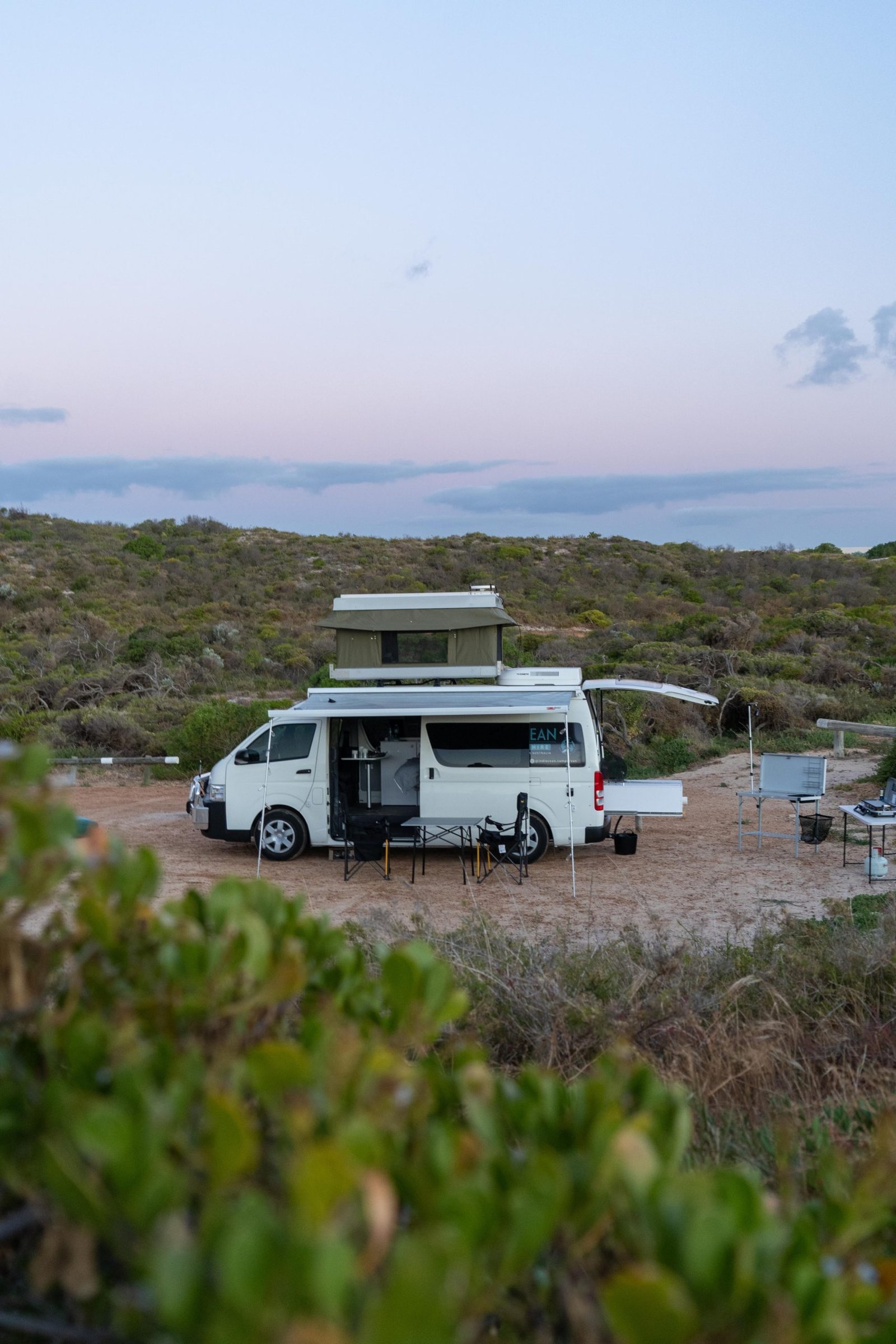
RV rental costs vary based on vehicle class, season, mileage allowance, and insurance options. Most rentals charge a base nightly rate plus per-mile fees, generator hours, cleaning deposits, and optional damage waivers. Before booking, confirm mileage caps, insurance coverage, pet policies, fuel type, cancellation terms, and whether one-way fees apply. Request a detailed walkthrough, get emergency contacts, and understand what maintenance issues you’re responsible for versus what the rental company covers.
—

Understanding RV Rental Costs Beyond the Nightly Rate
The advertised nightly price for an RV rental is only part of the equation. When you reserve an RV, you’re agreeing to multiple cost layers that can significantly affect your total bill. The RV and van camping guide for beginners covers many aspects of RV travel, and understanding rental costs is fundamental to planning a successful trip.
Rental companies structure pricing around the base rate, which reflects vehicle size, season, and demand. A Class A motorhome costs more per night than a Class B van, and summer bookings command higher premiums than off-season travel. Beyond the nightly charge, mileage fees apply if the rental includes a limited-mileage package. Some renters assume unlimited miles are standard; they are not. A 1,500-mile cross-country journey can accumulate substantial per-mile charges if not accounted for upfront.
Insurance is another major component of RV rental costs. Collision damage waivers (CDW) reduce or eliminate your financial responsibility if the vehicle is damaged. Without CDW, you may face liability for repairs ranging from minor dents to catastrophic engine damage. Your personal auto insurance or credit card might cover RV rentals, but gaps in coverage can leave you exposed. Always verify what insurance you actually have before declining optional protection.

Base Rates and Seasonal Pricing Factors
RV rental costs fluctuate based on season and timing. Peak season—typically June through August—commands the highest nightly rates because demand is strong and families are vacationing. Shoulder seasons (spring and fall) offer moderate pricing, while winter rates drop significantly except in warm-weather regions where snowbirds congregate.
The type of RV directly impacts the base rate. Class A motorhomes (40+ feet) rent for more per night than Class C models (25-35 feet), which exceed Class B van pricing. Specialty vehicles with slide-outs, premium interiors, or off-road capability cost extra. If you’re choosing between RV types, the types of RVs explained} article breaks down which class suits different trip lengths and budgets.
Weekend and holiday surcharges are common. Renting Thursday through Sunday typically costs more than a Monday through Thursday trip. Major holidays attract additional premiums that can spike 30% or more above standard rates. Booking well in advance sometimes locks lower prices, though cancellation policies vary widely. Some companies offer discounts for weekly or monthly rentals, reducing the per-night effective cost. Always compare the cost-per-day for longer bookings against shorter ones.

Mileage Allowances and Per-Mile Charges
One of the largest hidden costs in RV rental agreements is mileage overage. Most rental contracts include a daily mileage limit, often 75 or 100 miles per day. If you exceed that cap, per-mile charges typically range from $0.25 to $0.75 per mile, depending on the rental company and vehicle class. A 10-day trip covering 2,000 miles could incur hundreds of dollars in excess mileage fees if not accounted for.
Calculating your expected mileage before booking is essential. Map your route, estimate total distance, and compare it against the included allowance. Some companies offer unlimited mileage packages for a higher base rate, which makes sense for long-distance trips. Others allow you to purchase additional miles upfront at a discount compared to overages charged at checkout.
Fuel consumption also ties to mileage. RV rental costs include fuel strategy decisions. Some rentals include a full tank with a full-return requirement; others charge for fuel used. A 25-foot motorhome might consume 5-8 gallons per 100 miles, so a 2,000-mile journey burns 100-160 gallons. At current fuel prices, this can represent a substantial expense. Confirm the fuel policy before signing to avoid surprises at the pump or checkout.

Insurance, Damage Waivers, and Liability Considerations
Collision damage waivers are optional but commonly recommended. A CDW typically costs $20-$50 per day and waives your responsibility for damage to the RV from collisions, vandalism, or weather events. Without CDW, you’re liable for repairs out of pocket, which can reach thousands of dollars for significant damage.
Your personal auto insurance may not cover RV rentals, or coverage may be limited. Contacting your insurer before booking clarifies what you’re protected for. Some credit card companies include rental car protection that extends to RVs, though limits and exclusions apply. If you have RV-specific insurance through an RV ownership policy, check whether rental coverage is included.
Personal effects insurance protects your belongings inside the RV during the rental. Road hazard coverage addresses damage from debris or accidents beyond your control. Some rental companies bundle multiple insurance types into a package; others sell them separately. Reading the fine print on what each policy covers and excludes prevents disputes when filing claims.
The deductible for damage claims varies by policy. A $2,500 deductible means you pay up to that amount out of pocket before insurance kicks in. Lower deductibles cost more upfront but reduce your financial risk during the rental. Understanding deductible structures helps you budget for potential costs.

Generator Hours, Campground Fees, and Utility Hookups
Generator usage is tracked on many RV rentals. Rental companies charge per hour of generator operation beyond an included daily allowance, typically 4-6 hours. This encourages conservation of fuel and encourages renters to camp at facilities with RV hookups explained} where electrical shore power is available rather than relying solely on the generator.
Generator overages can add $50-$150 to your final bill on week-long trips if you’re not strategic about campground selection. Dry camping (no hookups) requires generator use for appliances and AC, whereas full-hookup campgrounds provide 30/50-amp electrical service. Planning to stay at hookup-equipped campgrounds reduces generator costs and often extends battery life.
Campground fees are separate from RV rental costs but essential for budgeting. Full-hookup sites range from $30-$80+ per night depending on location and amenities. Dump station fees for black and gray water tanks are typically $15-$30 where you must pay separately. Water and propane refills add extra expenses. When comparing RV rental costs, factor in expected campground bills for realistic trip budgeting.
Some rental agreements include a limited number of free dump station visits or campground credits. Clarify what’s included and what costs extra before departure.

Pet Policies, Cleaning Deposits, and Add-On Costs
Pet policies vary significantly among rental companies. Some allow pets with a non-refundable fee of $50-$200 per stay. Others prohibit animals entirely. Clearly confirming pet policies prevents booking conflicts and unexpected rejection at pickup.
Cleaning deposits are standard practice. You typically pay $75-$300 upfront and receive a refund if the RV is returned in acceptable condition. Excessive dirt, pet hair, food residue, or damage results in cleaning charges deducted from your deposit. Some companies charge flat cleaning fees instead of deposits. Understanding the baseline cleaning standard prevents disputes over what constitutes “normal wear” versus damage requiring payment.
Kitchen kits—dishes, cookware, utensils, and linens—are sometimes optional add-ons costing $30-$50. If the rental includes dishes, you wash and return them clean; if you opt out, you’re responsible for bringing or purchasing your own. Bedding packages ensure clean sheets and pillows; opting out means you provide your own or pay for cleaning if yours are soiled.
Satellite TV, GPS devices, Bluetooth connectivity upgrades, and specialty equipment each add to RV rental costs. Assess which add-ons genuinely benefit your trip versus which are unnecessary frills.

One-Way Fees, Age Requirements, and Delivery Options
One-way rentals—picking up in one city and dropping off in another—incur additional fees. These can range from $500 to $2,000+ depending on distance and vehicle class. Some routes have premium one-way fees if demand is imbalanced. Returning to the pickup location avoids these charges.
Airport pickups sometimes carry surcharges of $50-$150 compared to a standard location. If flying to your RV destination, compare the cost of airport pickup against using ground transportation to a regular rental location.
Age requirements typically set minimum ages at 25-30 years old. Renters under the minimum age pay additional fees, sometimes $25-$50 per day. Verify your eligibility before booking to avoid last-minute surprises or cancellations.
Some companies offer delivery and setup services where the RV is transported to a nearby campground or location. This service costs extra—sometimes $200-$500—but eliminates driving the RV unfamiliar on Day One if you’re nervous about size or handling.

Critical Questions to Ask Before Booking
Create a checklist before finalizing any RV rental reservation. Knowing what to ask prevents costly misunderstandings and ensures you’re comparing apples-to-apples pricing across companies.
| Question Category | Specific Questions to Ask |
|---|---|
| Mileage | What’s the daily limit? What’s the per-mile overage charge? Is unlimited mileage available? |
| Insurance & Liability | What damage does CDW cover? What’s the deductible? Is my personal auto insurance accepted? |
| Fuel & Generator | Is fuel included? What’s the generator hourly rate? How many free hours daily? |
| Pets & Cleaning | Are pets allowed? What’s the pet fee? When is the cleaning deposit charged and refunded? |
| Cancellation & Modifications | What’s the cancellation policy? Are changes allowed without penalty? |
| Pickup & Dropoff | When are pickup/dropoff times? Are late fees charged? Is one-way rental an option? |
| Campground & Hookups | Are any campground credits included? Is there guidance on full-hookup sites? |
| Maintenance & Breakdowns | Who pays for maintenance issues during rental? What’s the emergency contact protocol? |
Requesting a walkthrough video or in-person inspection before departure documents the RV’s condition and clarifies your responsibility for existing damage. Get maintenance contacts, roadside assistance numbers, and insurance claim procedures in writing.

Planning Your Budget and Avoiding {L:rv-first-trip-mistakes-and-how-to-avoid-them|first RV trip mistakes to avoid}}
Creating a realistic budget for your RV rental protects against bill shock at checkout. Add the nightly rate, expected mileage overage charges, insurance costs, generator overages, campground fees, and add-on rentals to determine total expense. Compare this against hotel-and-car travel to assess whether RV rental makes economic sense for your trip.
Building a 10-15% contingency buffer absorbs unexpected costs like extra dump fees, fuel price increases, or minor repairs you might encounter. Documenting the RV’s condition with photos or video before departure and signing off on any pre-existing damage protects you from spurious claims later.
Rental company reviews often mention surprising charges or fees not explained upfront. Reading recent reviews highlights patterns of customer complaints about hidden costs or billing disputes. Asking current or past renters about their experience with specific companies provides real-world perspective on what the final bill actually totaled.

Frequently Asked Questions
What is typically included in an RV rental base price?
The base nightly rate includes the RV itself, basic insurance liability, a fuel tank, and a mileage allowance (often 75-100 miles per day). It does not include campground fees, excess mileage charges, damage waivers, generator overages, or optional add-ons like kitchen kits or pet fees.
Can I use my personal auto insurance to cover an RV rental?
Some personal auto policies extend to RV rentals, but coverage is often limited or excluded. Contact your insurer before booking to confirm what is and isn’t covered. If your policy doesn’t cover rentals, purchasing the rental company’s collision damage waiver is advisable.
How much do generator hours typically cost per day on an RV rental?
Generator overages are usually charged at $5-$15 per hour beyond an included daily allowance of 4-6 hours. Overages accumulate across your rental period, potentially adding $50-$150 to a week-long trip if you dry camp frequently rather than staying at hookup-equipped campgrounds.
What happens if I return an RV with an empty fuel tank?
Most rental agreements require you to return the RV with a full fuel tank. If you don’t, the rental company charges you for fuel at a rate typically higher than pump prices—sometimes $1-$3 per gallon above market rate. Fill the tank yourself at a gas station immediately before returning the vehicle.
Are pets allowed on all RV rentals, and what do they cost?
Pet policies vary by company. Some allow pets for a non-refundable fee of $50-$200 per stay; others prohibit animals entirely. Confirm pet allowance before booking if you’re traveling with an animal. Some companies limit the number or size of pets, so ask about their specific restrictions.