Quick answer: a backcountry permit is written permission from a land agency to camp overnight away from developed campgrounds, usually in national parks and designated wilderness. Many national parks require one for every overnight trip, and popular areas use quotas, advance reservations or lotteries, often through Recreation.gov. Other areas, including many national forest wildernesses, use free self-issue permits at the trailhead, while most BLM land and general national forest land need no permit for dispersed camping. Permits often come with conditions such as group size limits, designated campsites, bear canister requirements and fire rules. Check the managing agency’s website for your exact route and dates.
Backcountry permits confuse a lot of first-time backpackers. Some parks require one for any night away from the road, some trails sell out months ahead, and other places need nothing more than a signature at a trailhead box. Showing up without the right permit can mean a ticket, a turned-back trip or a long drive to a ranger station.
This guide explains why permits exist, where they are needed, the different systems used to issue them and how to plan a trip around them. For the bigger picture of where you can camp for free, start with our complete guide to free camping in the US.
Sources: National Park Service (NPS) backcountry and wilderness permit pages for individual parks, including Grand Canyon, Yosemite and Glacier; U.S. Forest Service wilderness and permit pages, including Inyo National Forest (Mount Whitney), Okanogan-Wenatchee National Forest (Enchantments) and Superior National Forest (Boundary Waters Canoe Area Wilderness); Bureau of Land Management (BLM) camping guidance; Recreation.gov permit help pages; Wilderness Act of 1964; California Campfire Permit program (CAL FIRE, USFS, BLM). Checked October 2026.
What a Backcountry Permit Is
A backcountry permit, sometimes called a wilderness permit, is a document from the land manager that authorizes you to camp overnight in a specific area on specific dates. It may name your entry trailhead, exit point, campsites or zones, group size and the number of nights.
Permits are different from campground reservations. A campground reservation holds a numbered site in a developed campground with a road, parking and often toilets. A backcountry permit covers camping away from those facilities, usually reached on foot, by horse or by boat.
Why permits exist
Land agencies give several reasons for requiring permits:
- Protecting resources: limiting the number of people in fragile areas reduces trampling, erosion and human waste problems.
- Preserving wilderness character: the Wilderness Act of 1964 directs agencies to provide “outstanding opportunities for solitude,” which quotas help maintain.
- Safety: permits record where people are going, which helps rangers in emergencies and lets them share warnings about closures, fire, flooding or wildlife.
- Education: the permit process is a chance for rangers to explain rules on food storage, fires and Leave No Trace.
Where You Need a Backcountry Permit
Rules depend on the agency and the specific area, so always check the official page for your destination. In general:
| Land type | Typical permit requirement |
|---|---|
| National parks | Most require a backcountry permit for any overnight trip outside developed campgrounds |
| Designated wilderness in national forests | Varies; many use free self-issue permits, popular areas use quotas |
| General national forest land | Usually no permit for dispersed camping; stay limits apply |
| BLM land | Usually no permit for dispersed camping; stay limits apply, special areas may differ |
| State parks and state forests | Varies widely by state and park |
| National wildlife refuges | Overnight camping often prohibited or tightly limited |
National parks are the most consistent. Grand Canyon National Park, for example, requires a backcountry permit for all overnight camping outside developed campgrounds, according to the park’s website. Yosemite and Glacier require wilderness or backcountry permits for overnight trips too.
On national forest and BLM land outside special areas, dispersed camping is typically allowed without a permit, subject to stay limits, often 14 days. Our guide to dispersed camping rules on national forests and BLM land covers those rules.
Types of Permit Systems
Quota permits with advance reservations
In busy parks and wilderness areas, the agency sets a daily limit on how many people can start from each trailhead or camp in each zone. A portion of those permits can usually be reserved in advance through Recreation.gov or the park’s own system, and some are held back for walk-up or next-day issue. Reservation windows vary: some open on a rolling basis a set number of weeks ahead, and others open on a fixed date each year.
Lotteries
The most popular routes use lotteries because demand far exceeds the quota. Examples documented by the Forest Service include:
- Mount Whitney, Inyo National Forest: overnight and day-use permits for the Mount Whitney Zone are allocated through an annual lottery on Recreation.gov, with applications accepted in early spring.
- The Enchantments, Okanogan-Wenatchee National Forest: overnight permits in the core Enchantment zones are allocated by an annual lottery, also on Recreation.gov.
Lottery winners must accept and pay for their permits by a deadline. Unclaimed and canceled permits often return to Recreation.gov, where they can be picked up later.
Walk-up and next-day permits
Many parks set aside some permits for in-person or online issue a day or two before the trip. These are a good option for flexible travelers but can involve early lines at ranger stations in peak season.
Self-issue permits
In many national forest wilderness areas and some quieter parks, permits are free and self-issued. You fill out a form at the trailhead kiosk, drop one copy in the box and carry the other with you. It takes a few minutes but is still a legal requirement where posted.
Seasonal permits
Some areas require quota permits only during peak season. The Boundary Waters Canoe Area Wilderness in Minnesota’s Superior National Forest, for instance, uses quota overnight paddle permits from May 1 through September 30, with self-issued permits outside that season, according to the Forest Service.
How to Get a Backcountry Permit
- Choose your route and dates, with a backup plan.
- Find the managing agency. Maps on agency websites and Recreation.gov show whether a trail is in a national park, national forest, wilderness or BLM area.
- Read the permit page carefully, including when reservations open, quotas, fees and pickup instructions.
- Apply or reserve at the right time. Set a reminder for opening dates or lottery windows.
- Confirm pickup requirements. Some permits must be printed at home, some are emailed, and some must be picked up in person at a ranger station, sometimes the day before.
- Watch for updates on closures, fire restrictions and conditions before you leave.
- Carry the permit on the trip, and attach any required tag to your pack or tent.
Our guide on how to book hard-to-get campsites shares timing strategies that work for permit reservations too, and our national park camping reservations guide covers developed campgrounds inside parks.

Fees
Permit costs vary. Some self-issue permits are free. Many reserved permits carry a non-refundable reservation fee on Recreation.gov plus a per-person or per-night charge set by the park or forest. Lotteries often charge a small application fee. Check the specific permit page for current prices, since fees change.
Common Permit Conditions
A permit is not just a ticket; it usually comes with rules you agree to follow.
Designated campsites or zones
Some parks require you to camp only at assigned backcountry campsites. Others assign zones where you can camp anywhere that meets distance rules, such as at least 100 to 200 feet from water and trails, depending on the area.
Group size limits
Wilderness areas commonly cap group size, often somewhere around 8 to 15 people, with separate limits for stock animals. Large groups may need a special group permit.
Food storage and bear canisters
Many parks and forests require approved bear-resistant food storage. Yosemite, for example, requires bear-resistant food containers for overnight wilderness trips, according to the park’s website, and other areas require canisters or hanging methods depending on location. Our guide to bear safety while camping explains storage options.
Fire rules
Some wilderness areas ban campfires above certain elevations or during fire season. In California, anyone using a stove, lantern or campfire outside developed campgrounds on federal land generally needs a free California Campfire Permit, available online through the state’s program with CAL FIRE, the Forest Service and BLM. Fire restrictions can tighten quickly, so check before you leave.
Human waste rules
Certain areas, especially in deserts, river canyons and on popular peaks such as Mount Whitney, require you to pack out human waste in approved bags rather than digging catholes.
Stay limits and itineraries
Permits may limit nights per campsite or zone and require you to follow your stated itinerary. Changing routes without approval can violate the permit.
Permits for Different Kinds of Trips
Backpacking is the most common reason people need a backcountry permit, but other trip types have their own systems.
River trips
Multi-day river trips on popular rivers are often permit-controlled. Grand Canyon National Park, for example, allocates noncommercial Colorado River trip permits through a weighted lottery, according to the park. Many western rivers managed by the Forest Service and BLM also use lotteries or advance reservations for launch dates, and permits usually require specific equipment such as fire pans and portable toilets.
Paddling and canoe routes
Canoe areas such as the Boundary Waters use entry-point permits tied to a starting location and date. Paddlers usually must camp at designated sites with fire grates and latrines.
Mountaineering
Some major peaks have registration requirements separate from ordinary backcountry permits. Denali National Park requires climbers attempting Denali or Mount Foraker to register in advance and pay a special use fee, according to the NPS.
Horse and stock trips
Stock users often face separate group limits, grazing rules and requirements for certified weed-free hay on federal land. Check the stock section of the permit page.
Winter trips
Some permit systems relax in winter, when quotas may not apply, but permits are often still required for safety and tracking. Avalanche conditions, road closures and shorter days add planning needs, so call or check the ranger station before going.
Day hikes
A few very popular day hikes also require permits, such as day-use permits for the Mount Whitney Zone and for certain other high-demand trails. Day permits are separate from overnight permits, so check both if your plans could change.

What Happens if You Camp Without a Permit
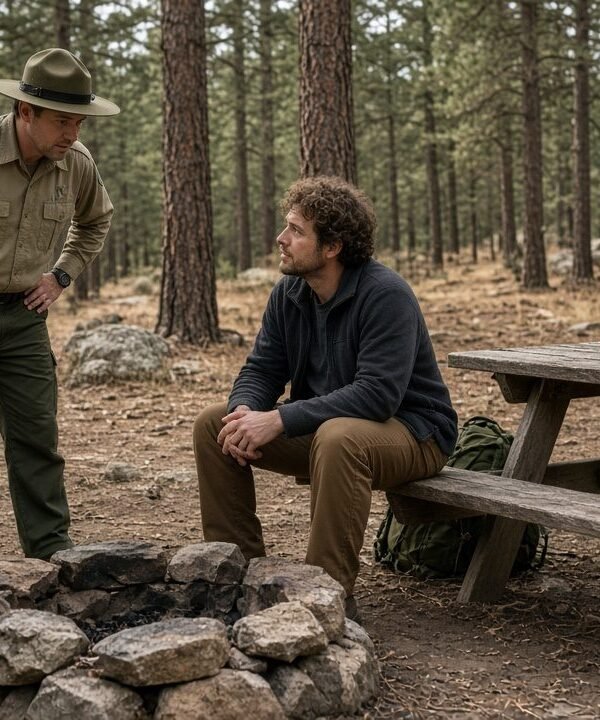
Rangers check permits on popular trails and at backcountry campsites. Camping without a required permit can result in a citation and fine, being asked to leave the area and, in some cases, a ban from future permits. Beyond penalties, skipping a permit means rangers have no record of your plans if something goes wrong.

Planning Tips
- Start early. For lottery and quota areas, research several months ahead.
- Be flexible with dates and trailheads. Weekdays and less popular entry points have better odds.
- Have a backup trip ready on land that does not need permits.
- Check what the permit includes. Some permits cover only overnight stays; day hikes in the same area may have separate rules.
- Leave your itinerary with a trusted person, even with a permit.
- Plan meals around the length of the permit; our guide to backpacking food planning can help.
Backcountry Permits Summary
Backcountry permits authorize overnight camping away from developed campgrounds. Most national parks require them for every overnight trip, popular wilderness areas use quotas and lotteries through Recreation.gov, many national forest wildernesses use free self-issue permits, and most general national forest and BLM land requires none for dispersed camping. Permits come with conditions on campsites, group size, food storage, fires and waste. Find the managing agency, read the permit page, apply on time and carry the permit with you, and you will spend your trip enjoying the backcountry instead of worrying about rules.
Frequently Asked Questions
Do I need a permit to camp in the backcountry?
In most national parks, yes, for any overnight trip outside developed campgrounds. Many wilderness areas also require permits, while general national forest and BLM land usually does not.
How do I get a backcountry permit?
Check the managing agency’s website. Many permits are reserved on Recreation.gov, some are issued by lottery or walk-up at ranger stations, and others are self-issued at trailheads.
Are backcountry permits free?
Some self-issue permits are free. Reserved permits often have a reservation fee and per-person or per-night charges. Check the specific permit page for current costs.
What is a wilderness permit lottery?
For very popular routes such as Mount Whitney and the Enchantments, permits are awarded through an annual lottery on Recreation.gov because demand exceeds the daily quota.
What happens if I camp without a backcountry permit?
You can receive a citation and fine, be required to leave and lose eligibility for future permits. Rangers also have no record of your trip in an emergency.